Desert Pulse / Research-led speculative design
Field live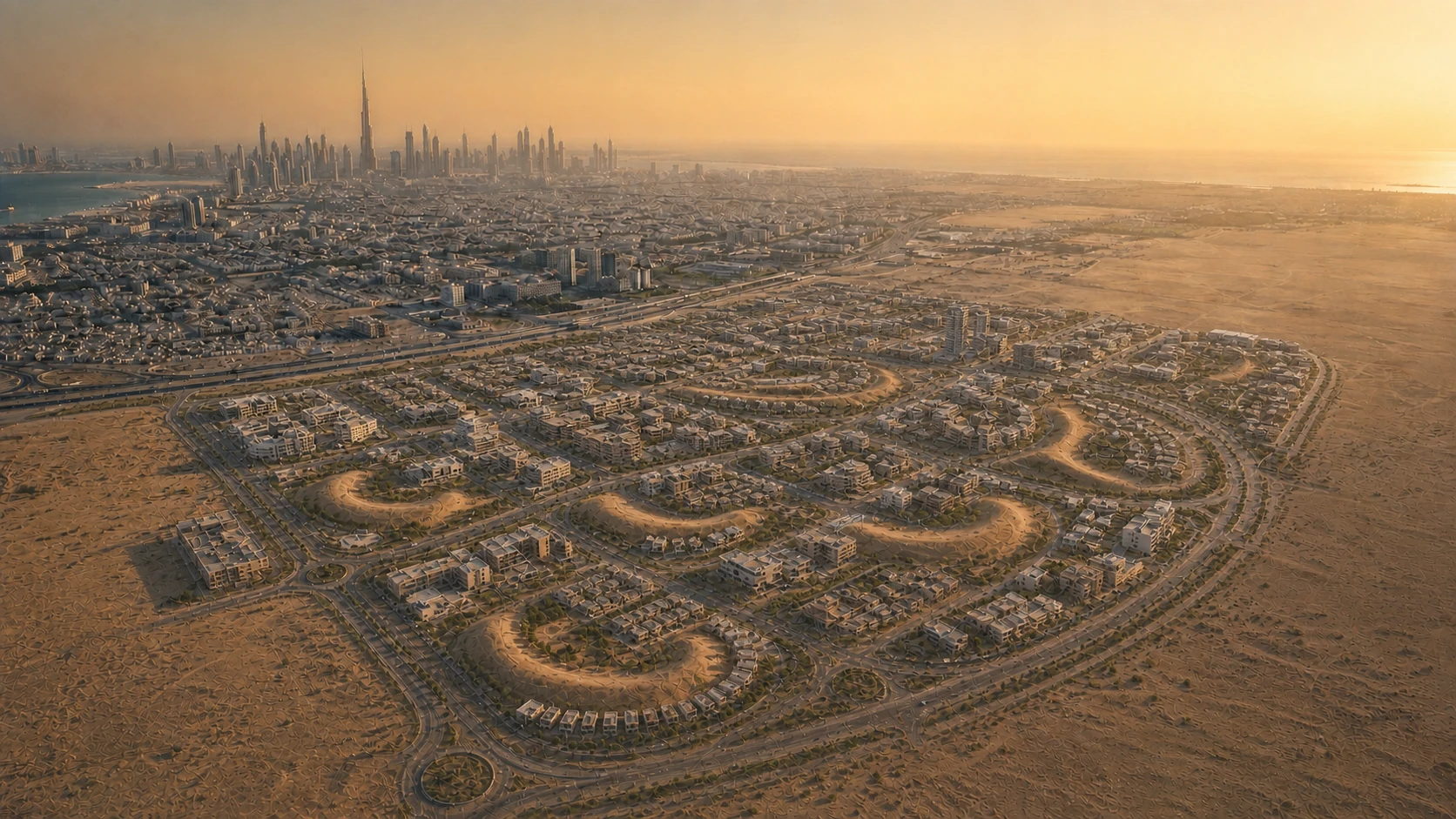
01 / Research & Concept Design / 2023–2024
DESERT
PULSE
What if the desert was not something the city had to fight?
Cities in the UAE continue to expand toward the desert.
The usual response is to flatten it, block it, stabilize it, and repeat the same urban logic.
What happens if the forces shaping the desert become part of the way we design the city?
The city keeps moving outward.
Urban expansion often treats the desert as empty land waiting to be occupied.
But the desert is not static. Wind moves across it. Sand migrates. Dunes form, deform, disappear, and return.
The project began by questioning the conflict between a repetitive urban system and an environment that is constantly moving.
Instead of asking how architecture can stop the desert, I began asking how design could read it, react to it, and work with it.
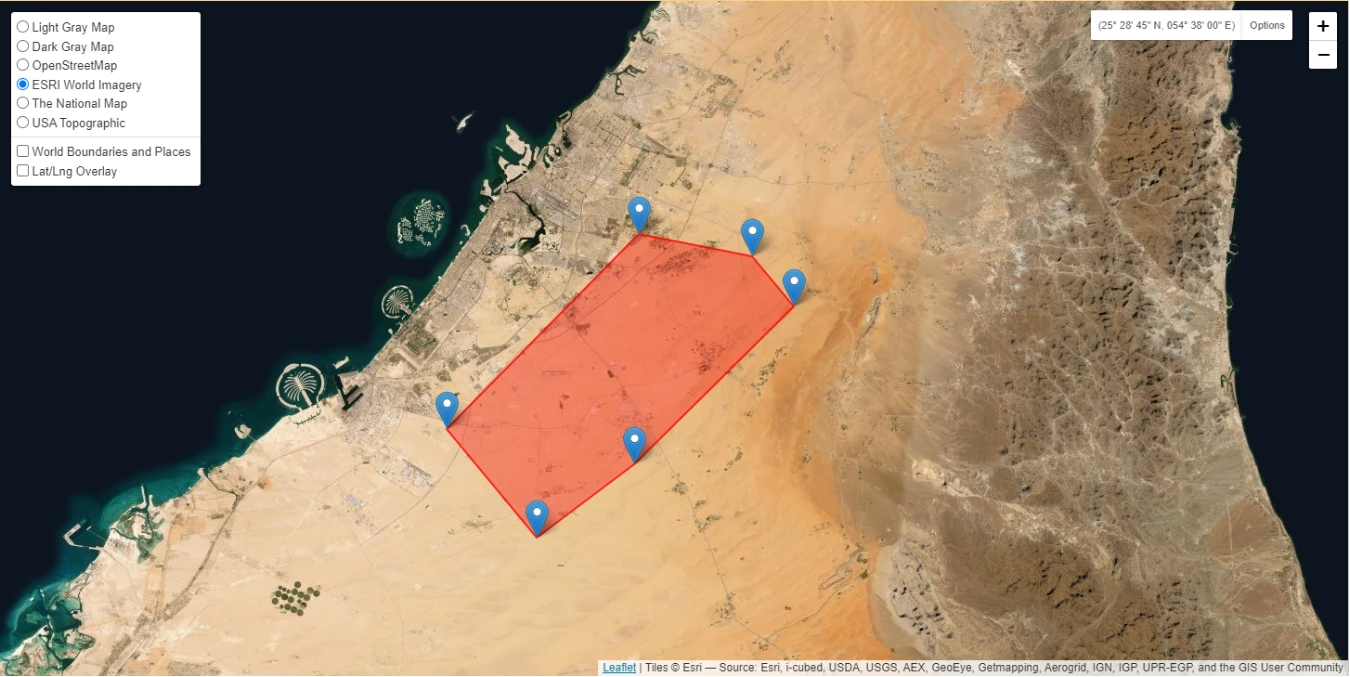
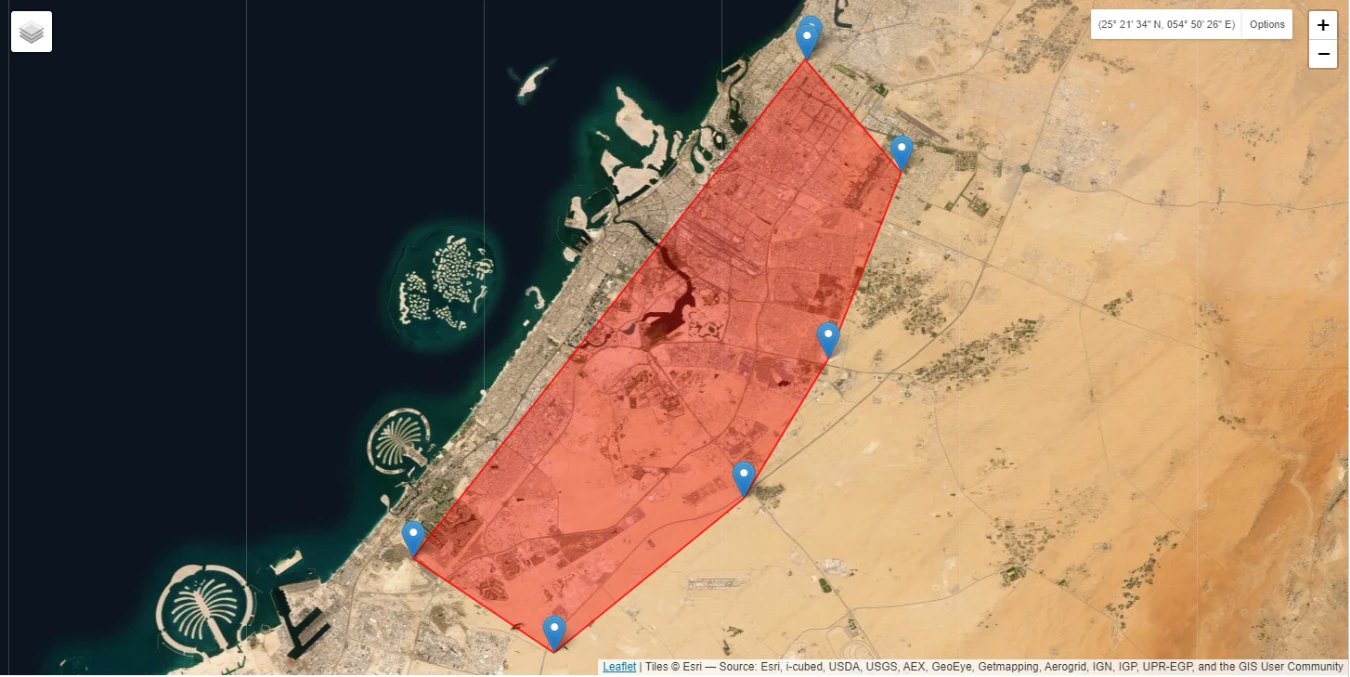
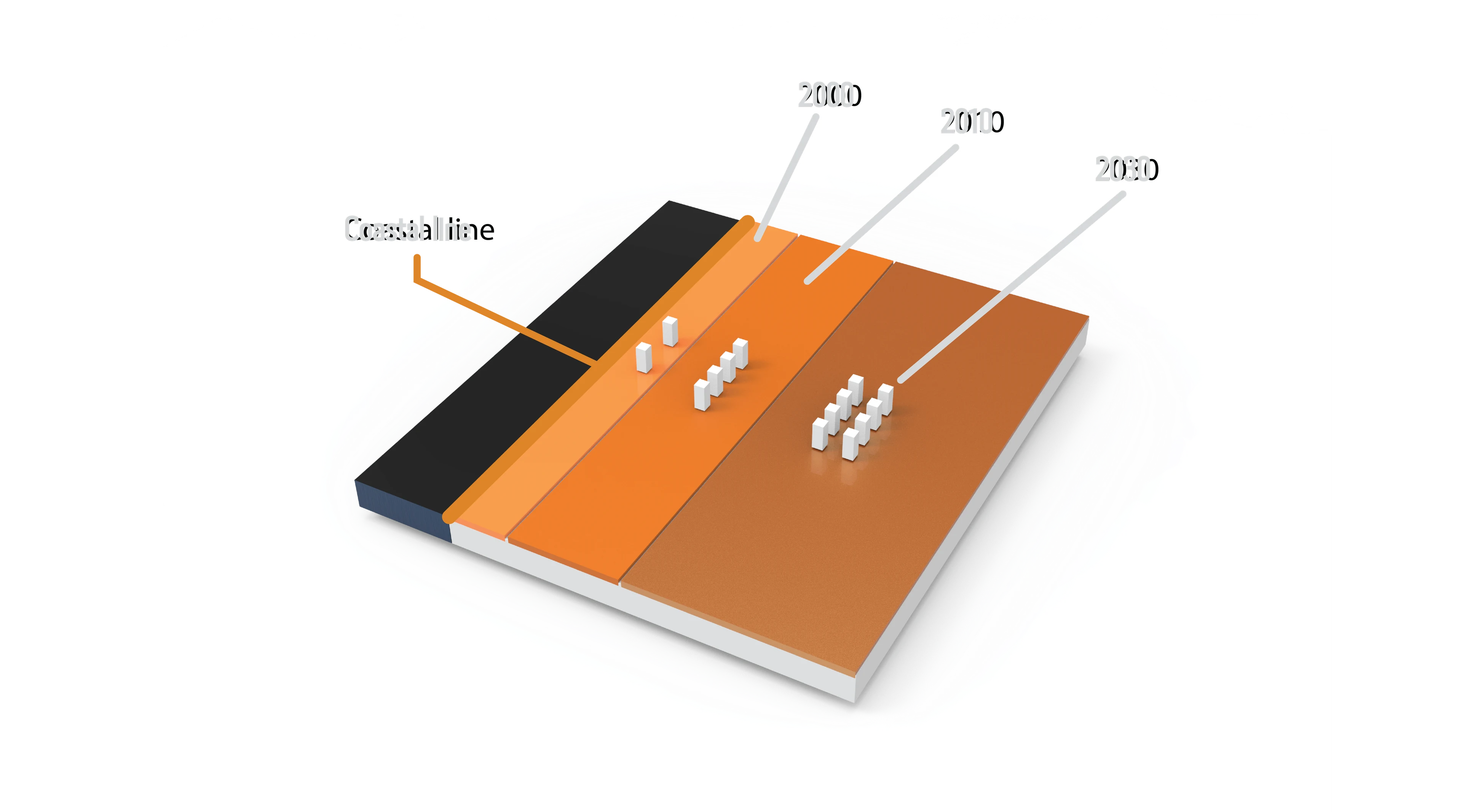
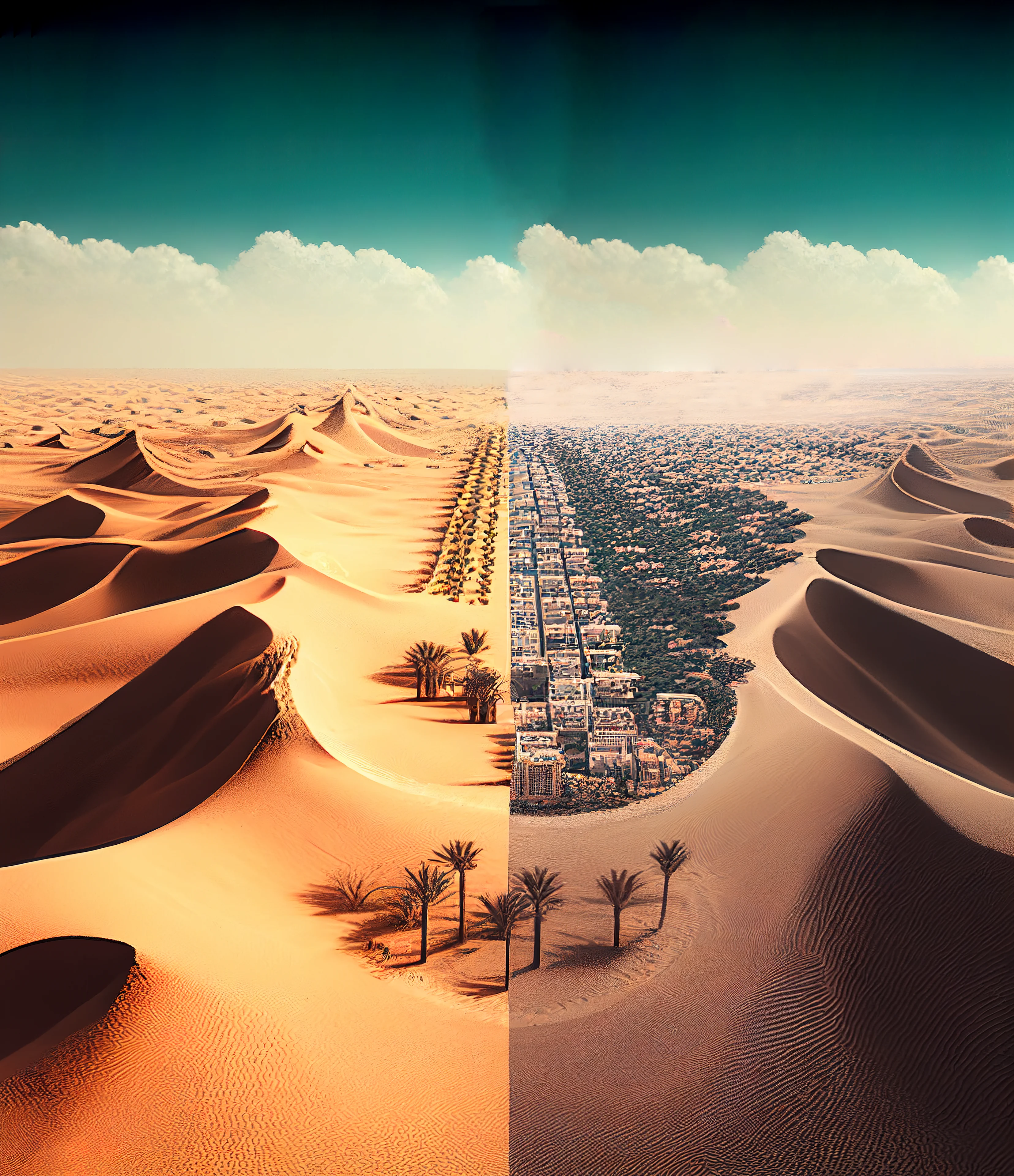
A moving landscape meets a fixed city.
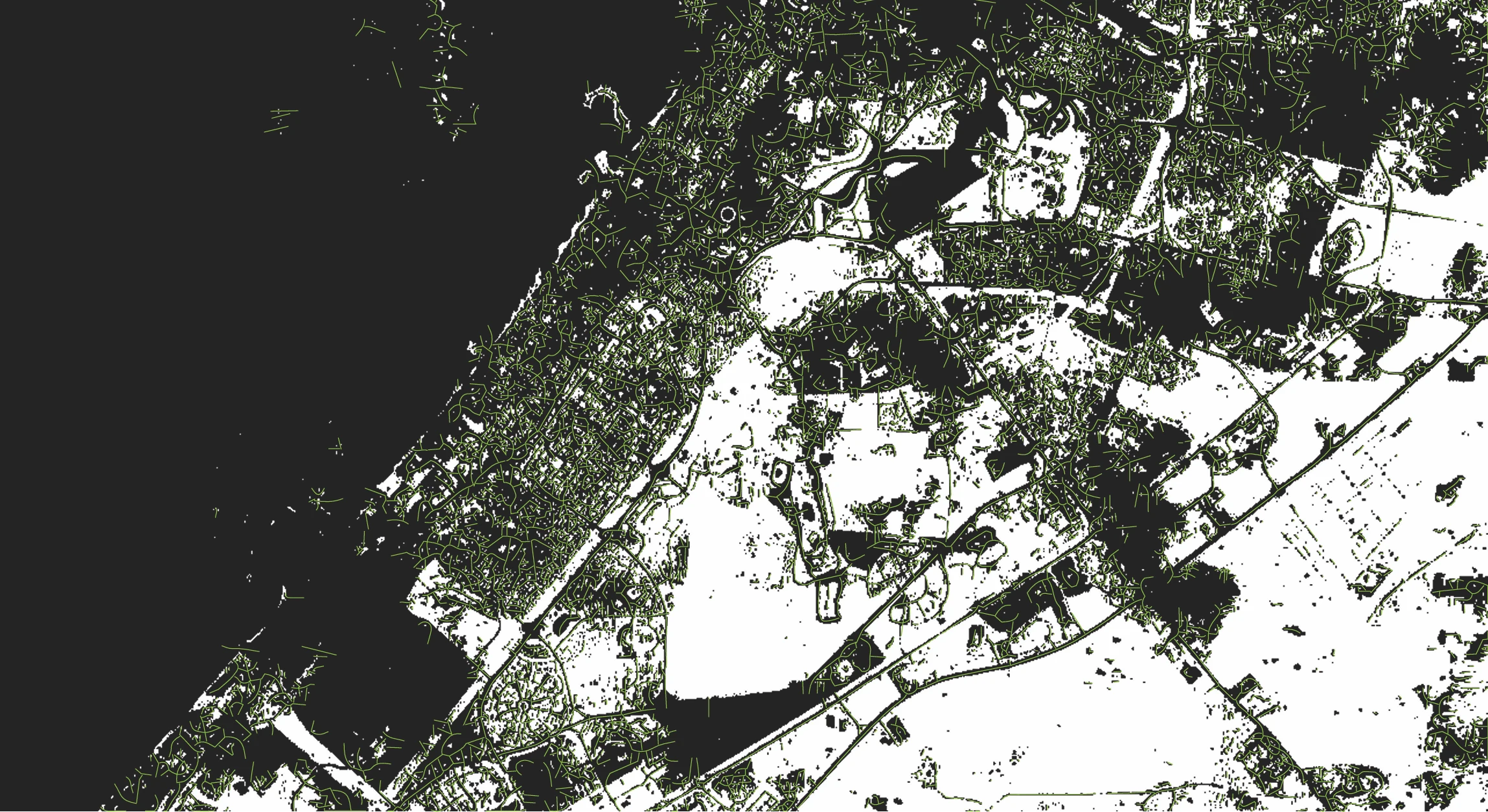
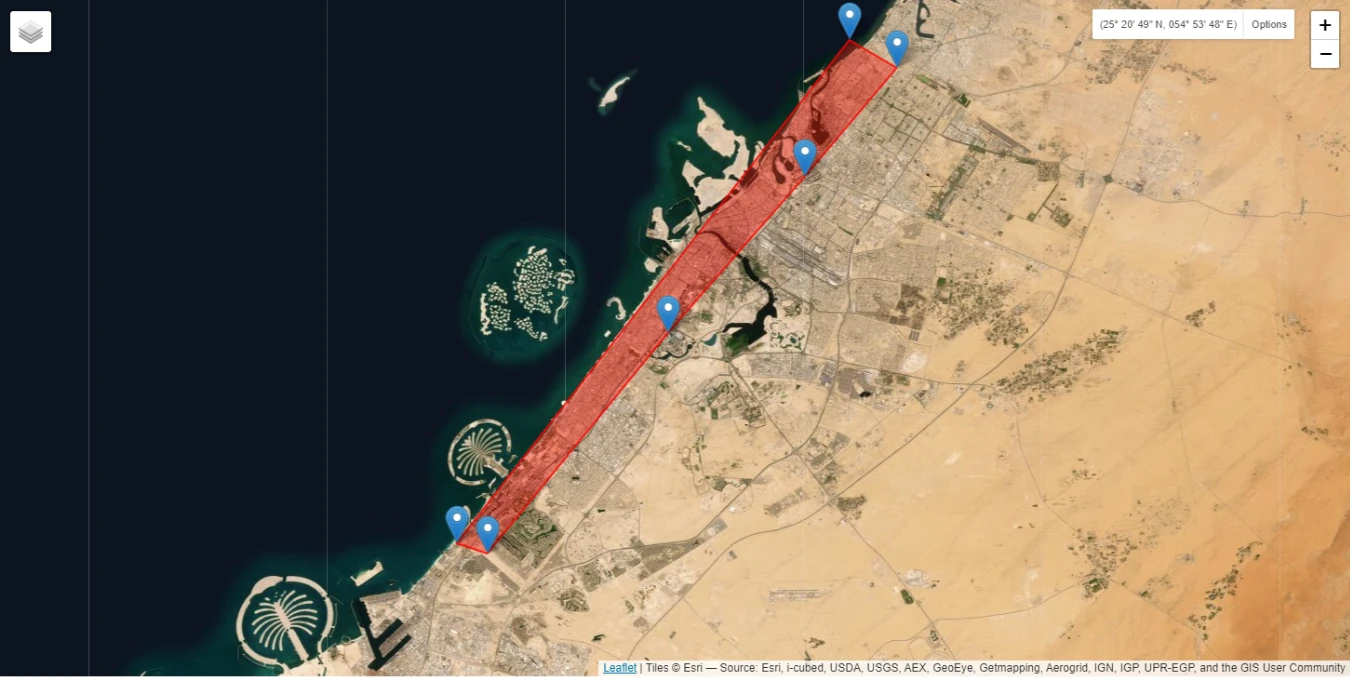
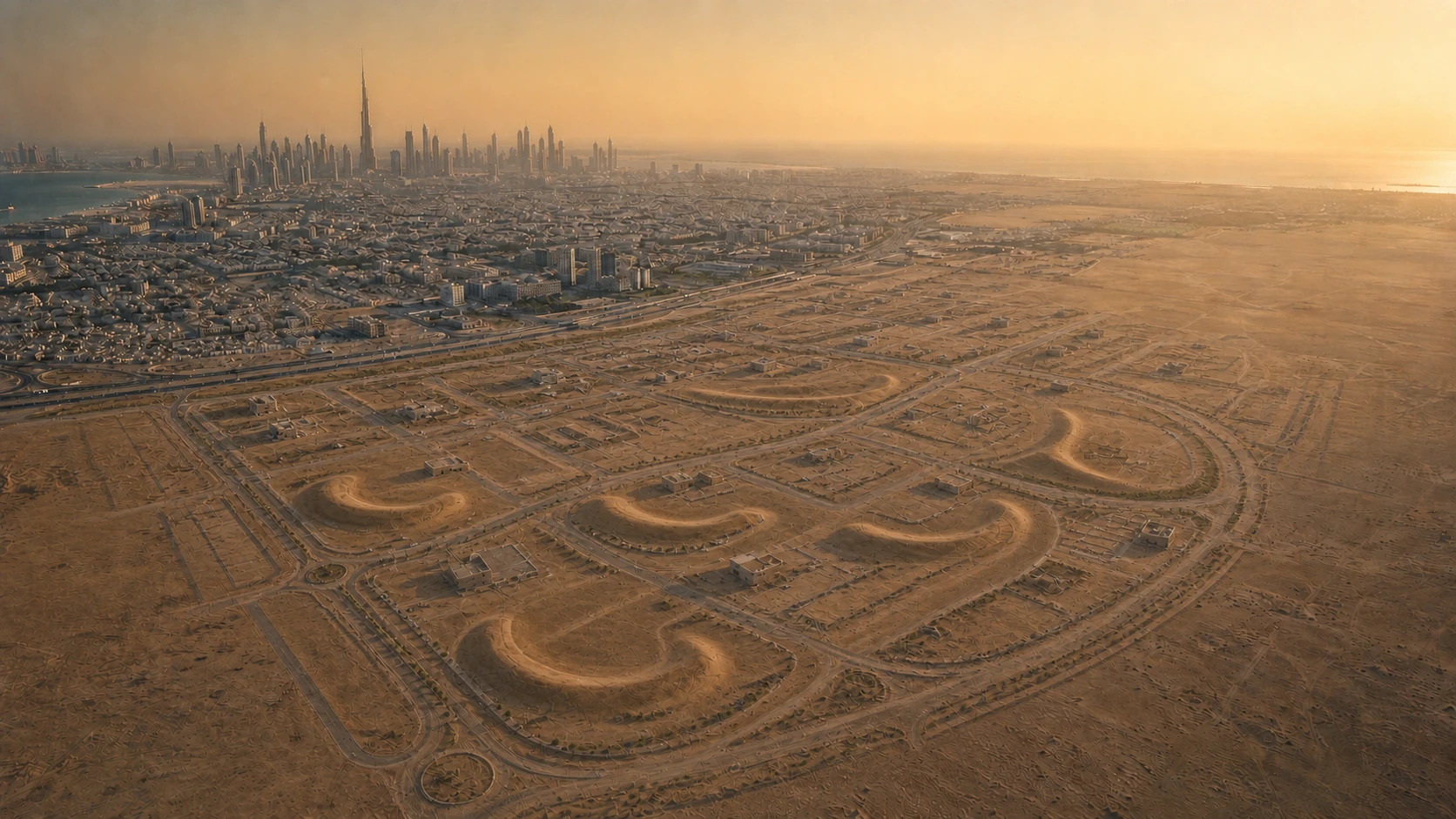
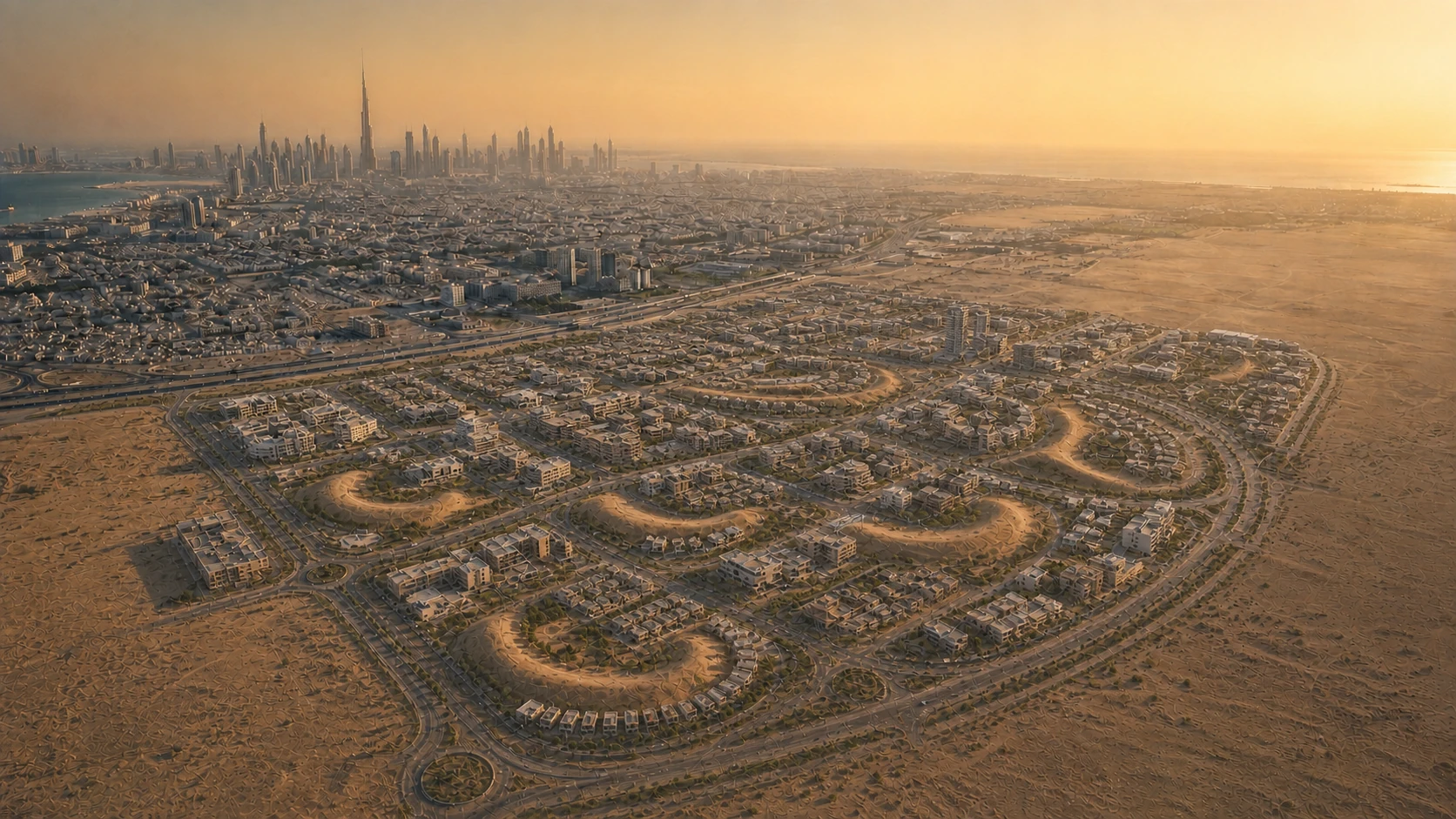
Desert Pulse examines the relationship between Dubai’s outward expansion and the surrounding desert landscape.
The research moved from regional desertification and urban growth down to dune typologies, grain movement, and the interaction between geometry and windblown sand.
The city is planned as if the ground beneath it is passive. The desert behaves as a living system.
04 / THE QUESTION
Can the forces that usually disrupt urban expansion become forces that help shape it?
- How does wind read the geometry of a city?
- Can accumulation and erosion become design inputs?
- Can urban form respond to movement instead of eliminating it?
- What would it mean to build with a desert rather than simply on it?
Before designing, I needed to understand what was moving.
The research did not begin with a building. It began with the desert itself.
I studied how dunes form, how wind carries sand, how grains move across a surface, how obstacles redirect flow, and how different geometries create different patterns of accumulation and erosion.
The purpose was not to imitate the appearance of a dune. It was to understand the behavioral logic behind it.
.webp)
.webp)
- 01Desertification in the UAE
- 02Dubai’s urban expansion
- 03Desert and city boundaries
- 04Types of dunes
- 05Wind direction and activity
- 06Sand transport
- 07Saltation and grain movement
- 08Formation and migration of dunes
- 09Geometry as an obstacle
- 10Repetitive city planning
- 11Biomimicry and alternative urban approaches
The desert is not a texture. It is a system of forces.
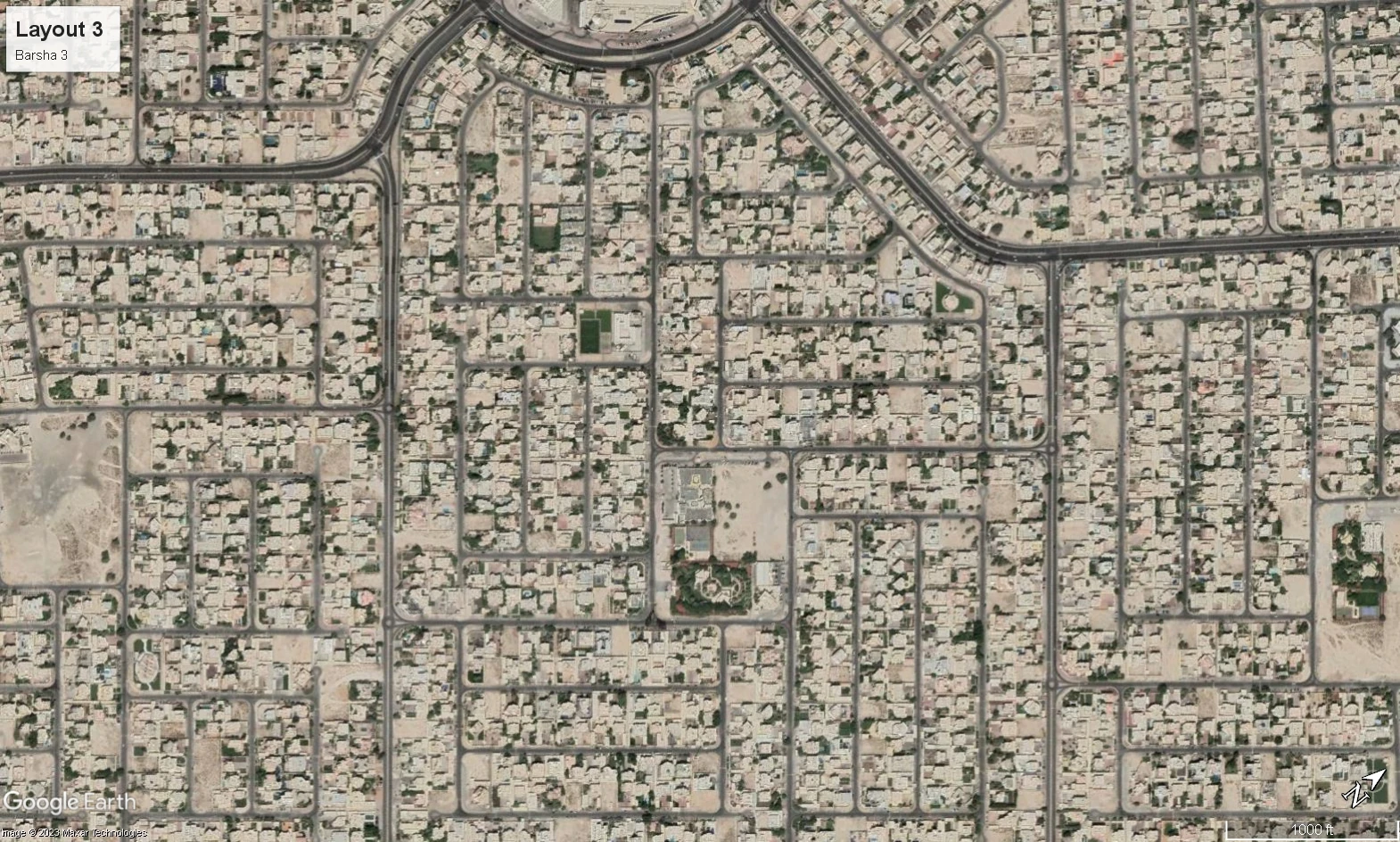
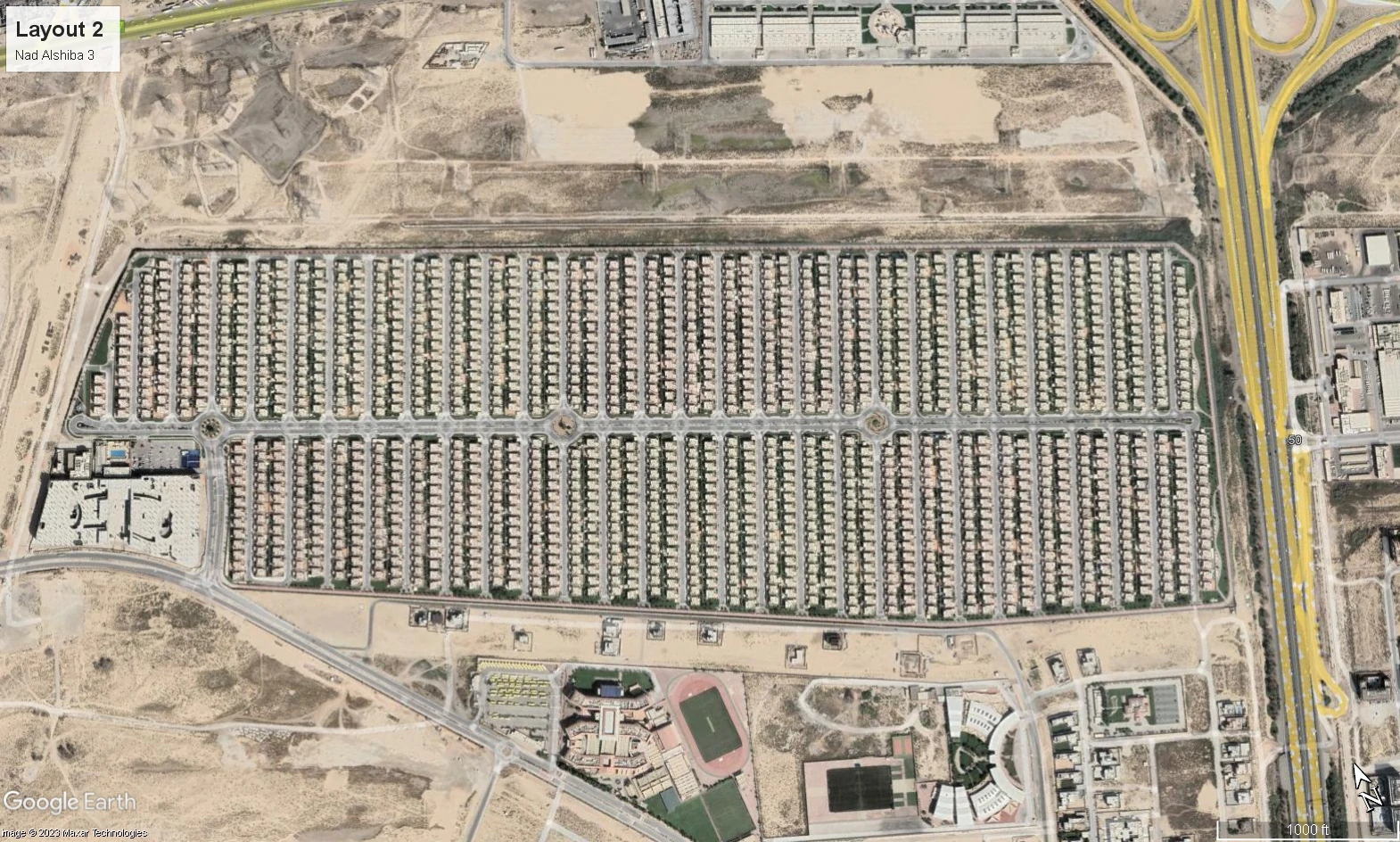
We keep repeating the same geometry.
Roads, plots, blocks, and buildings are organized primarily around human efficiency. The desert follows another logic.
Desert Pulse treats the boundary as a meeting between two systems, not as a line separating developed and undeveloped land.
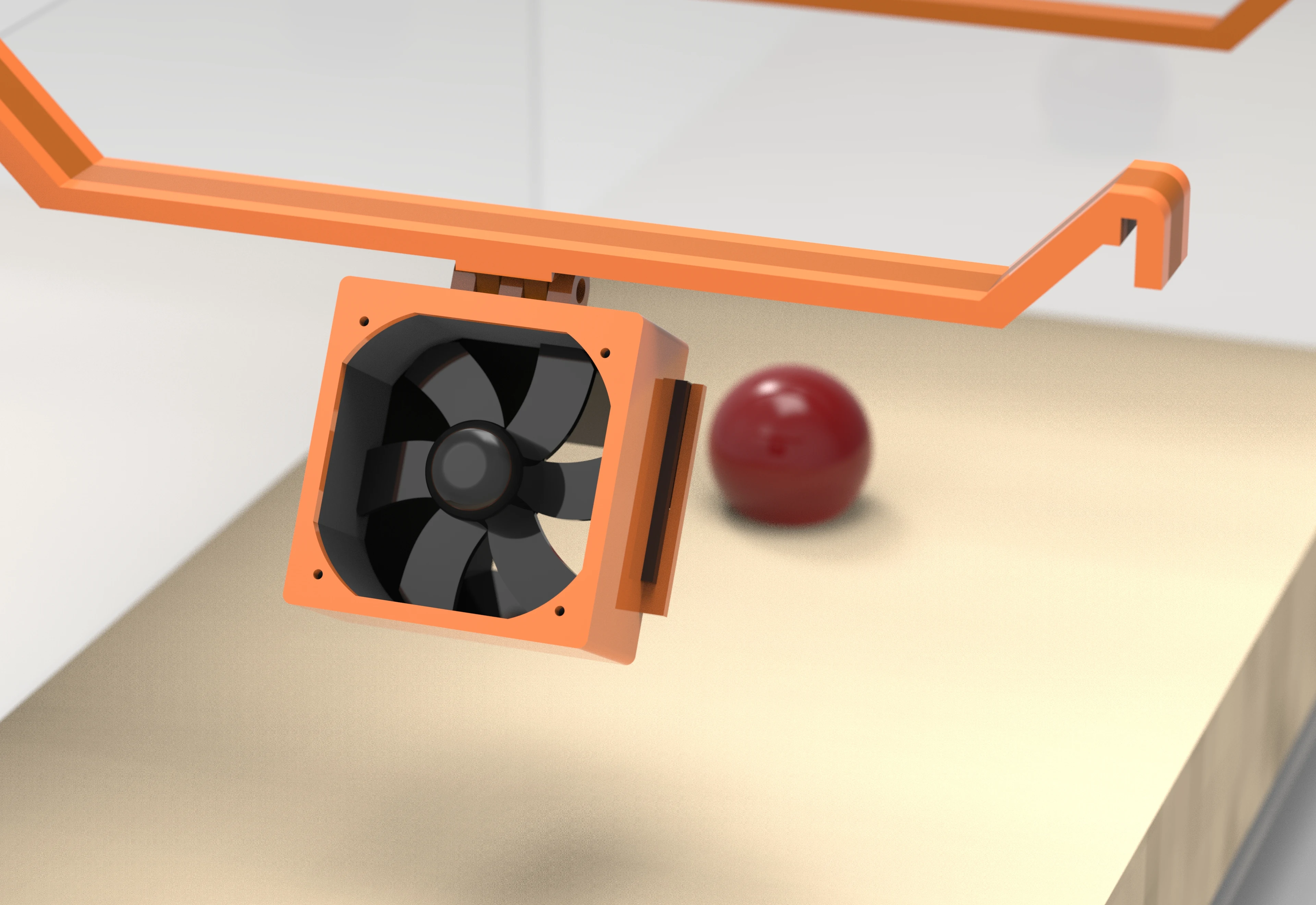
Making an invisible force visible.
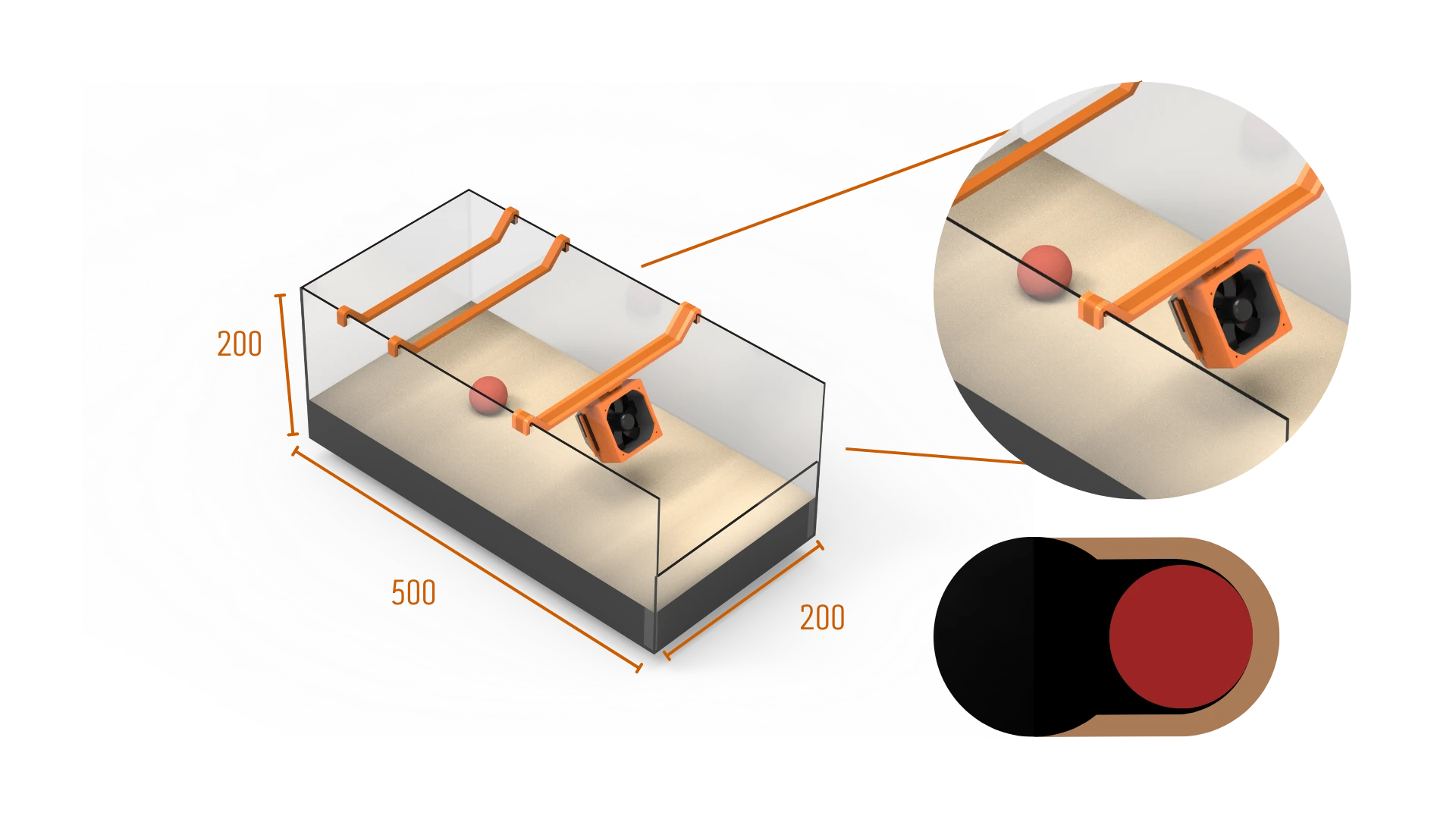
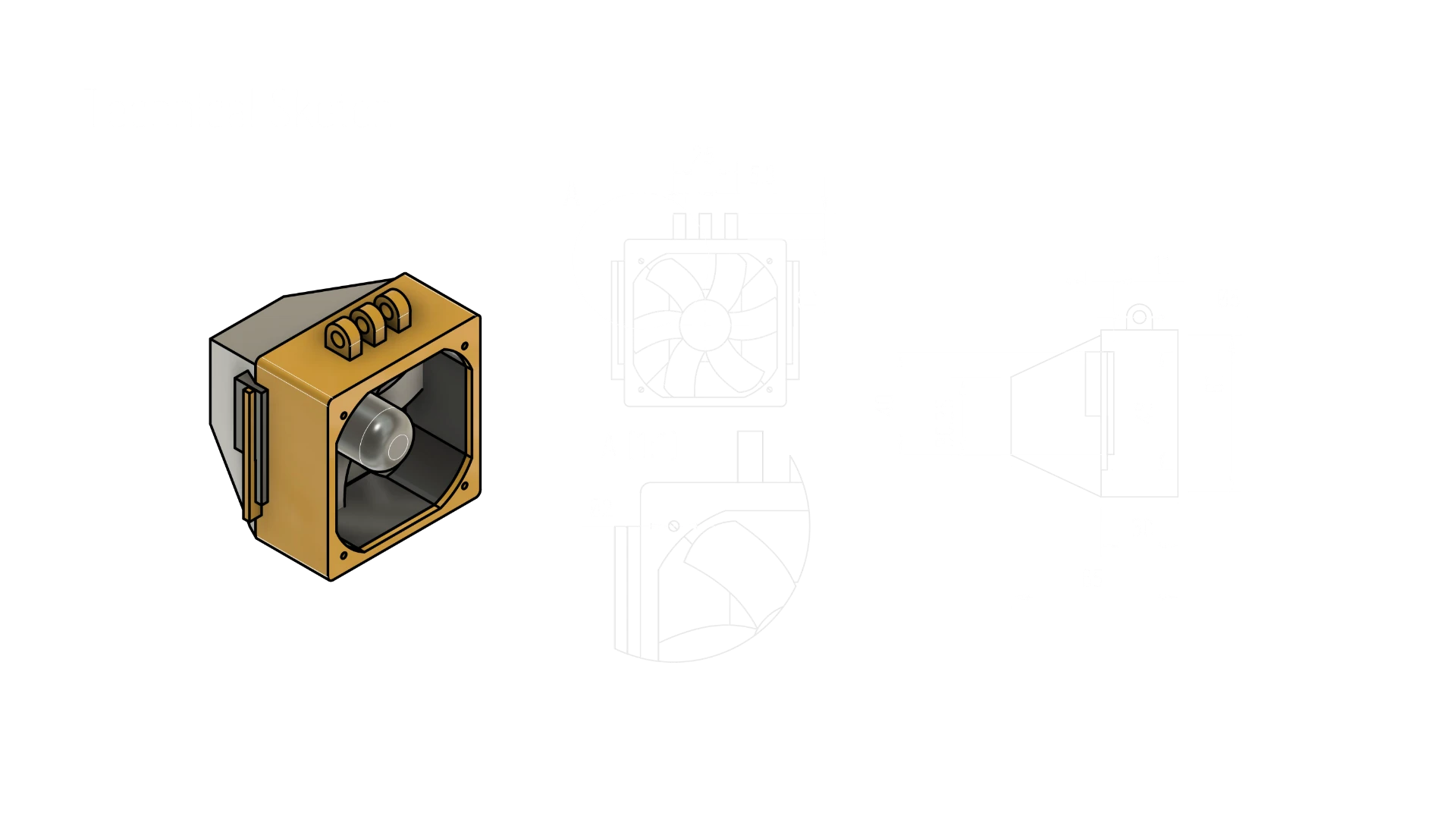
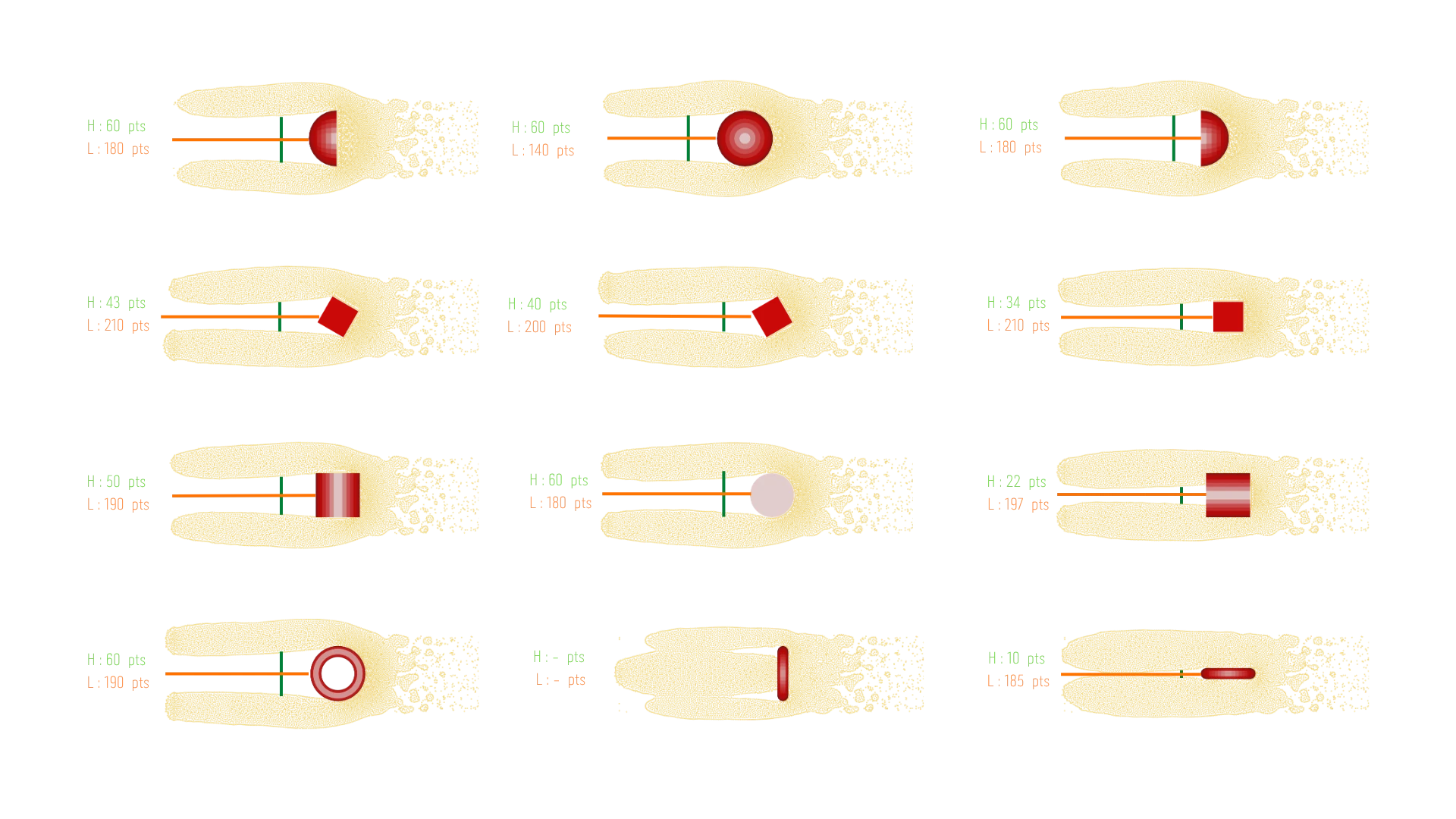
To understand the relationship between form, wind, and sand, I moved from research into controlled physical simulation.
Instead of assuming how sand might move, I could watch patterns emerge and observe how small changes in geometry changed the surrounding field.
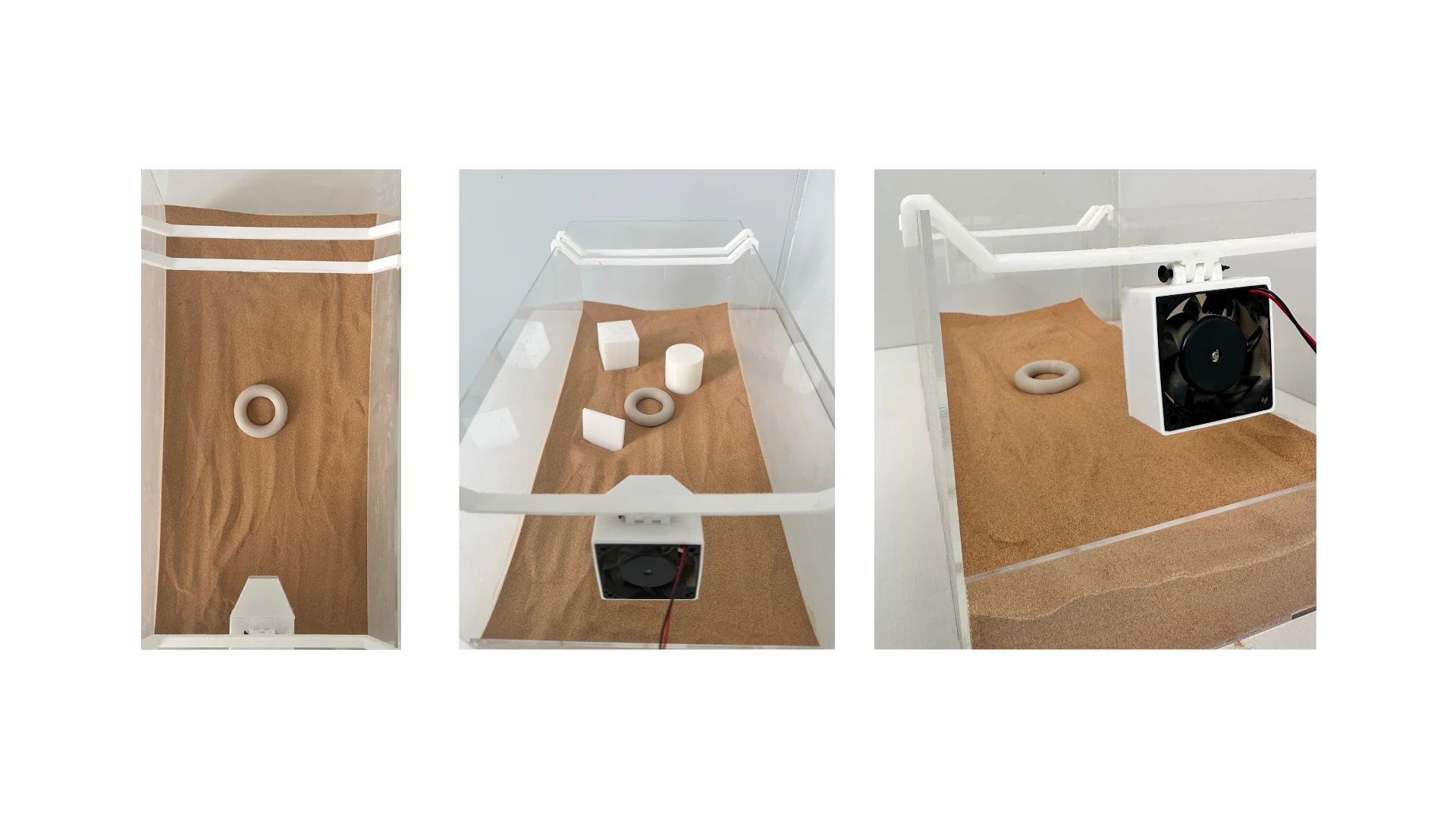
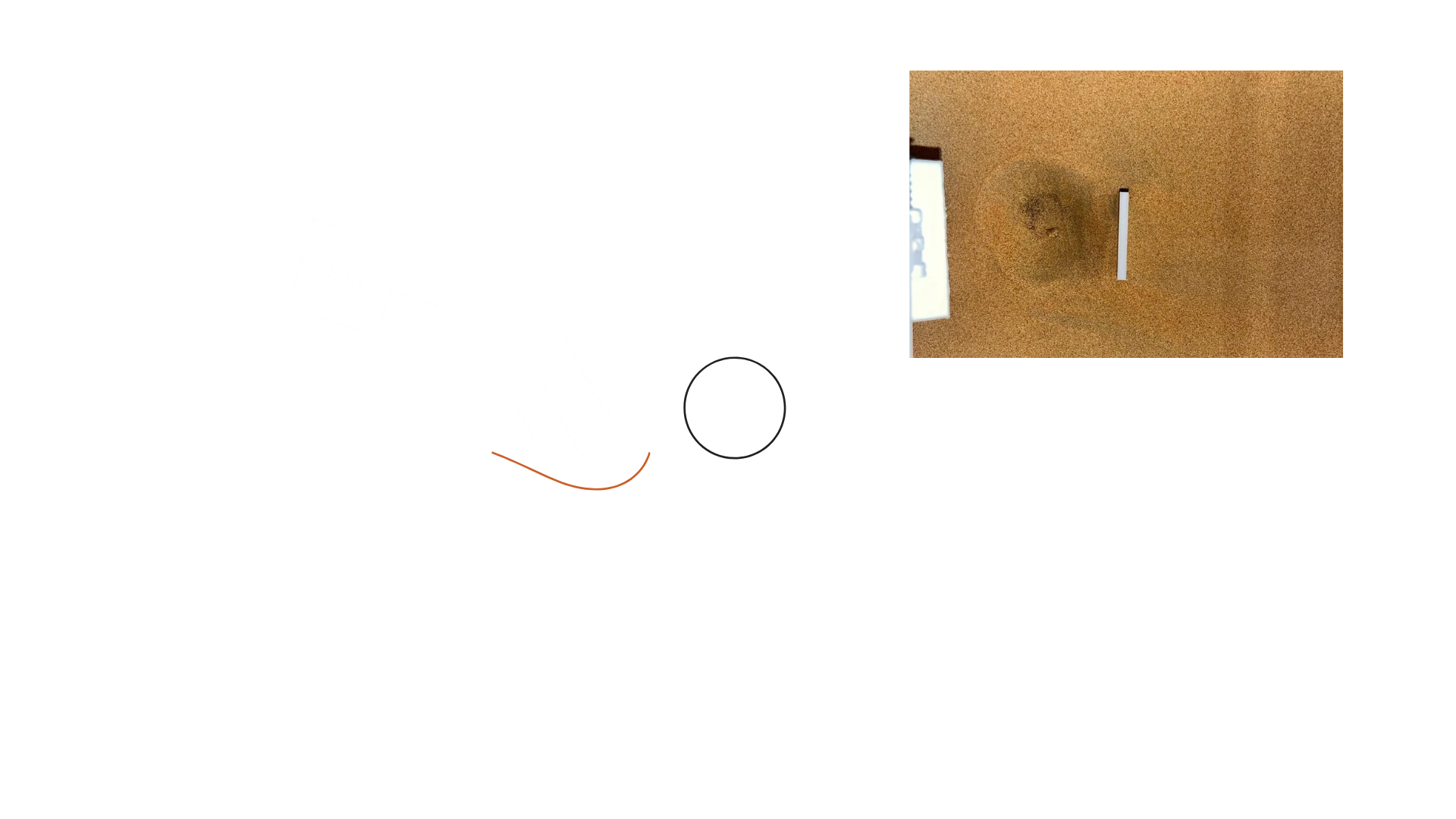
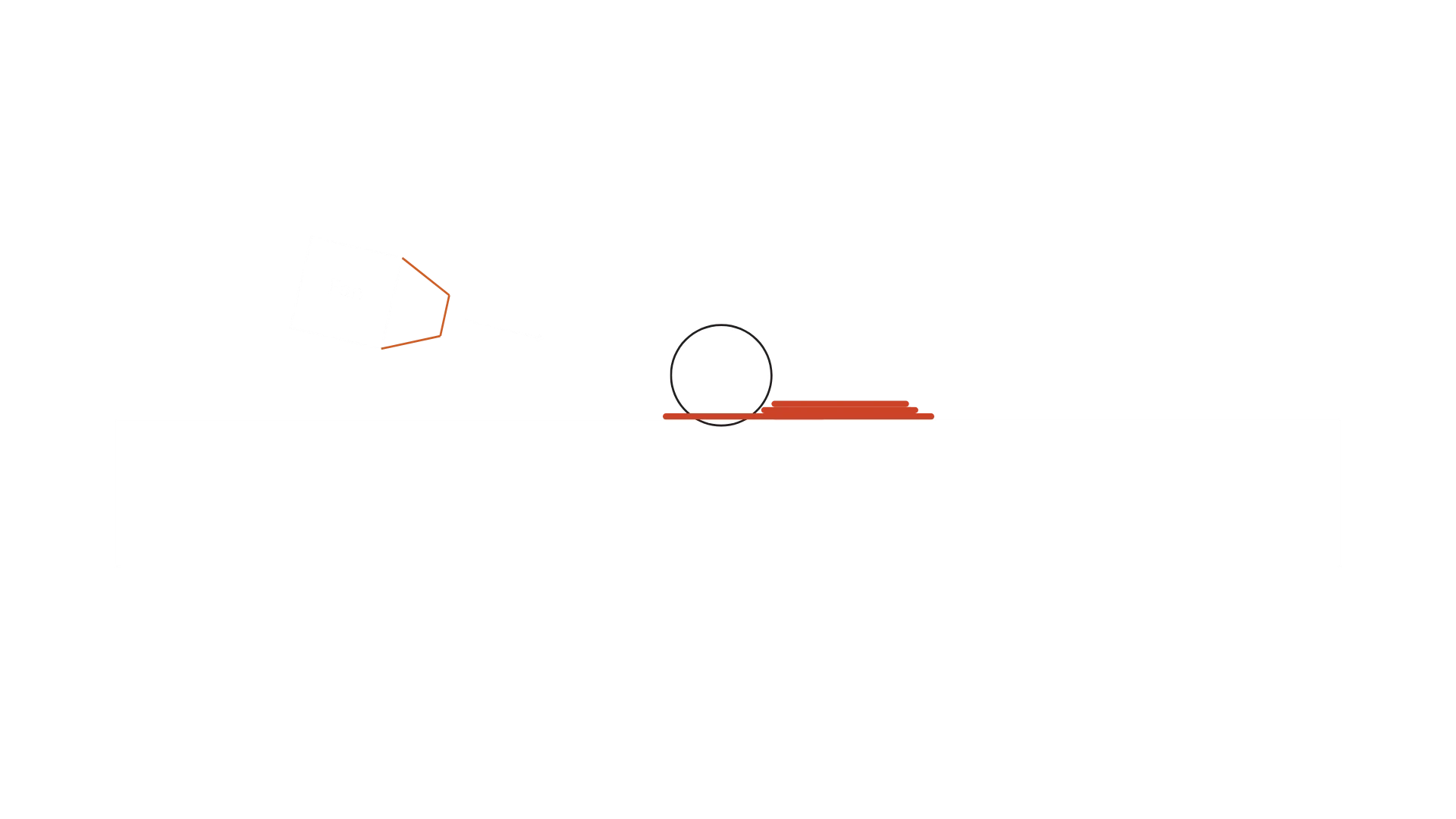
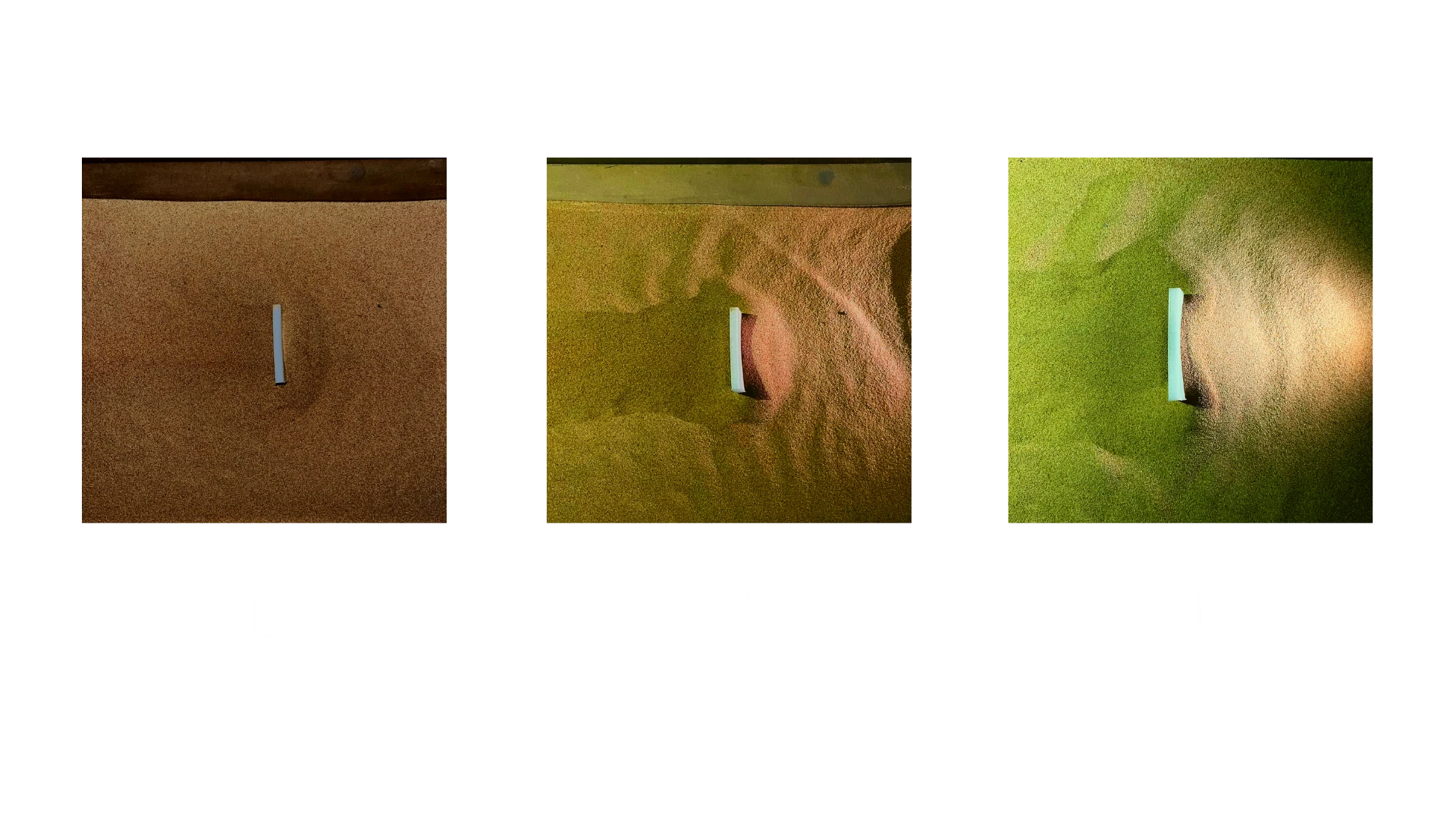
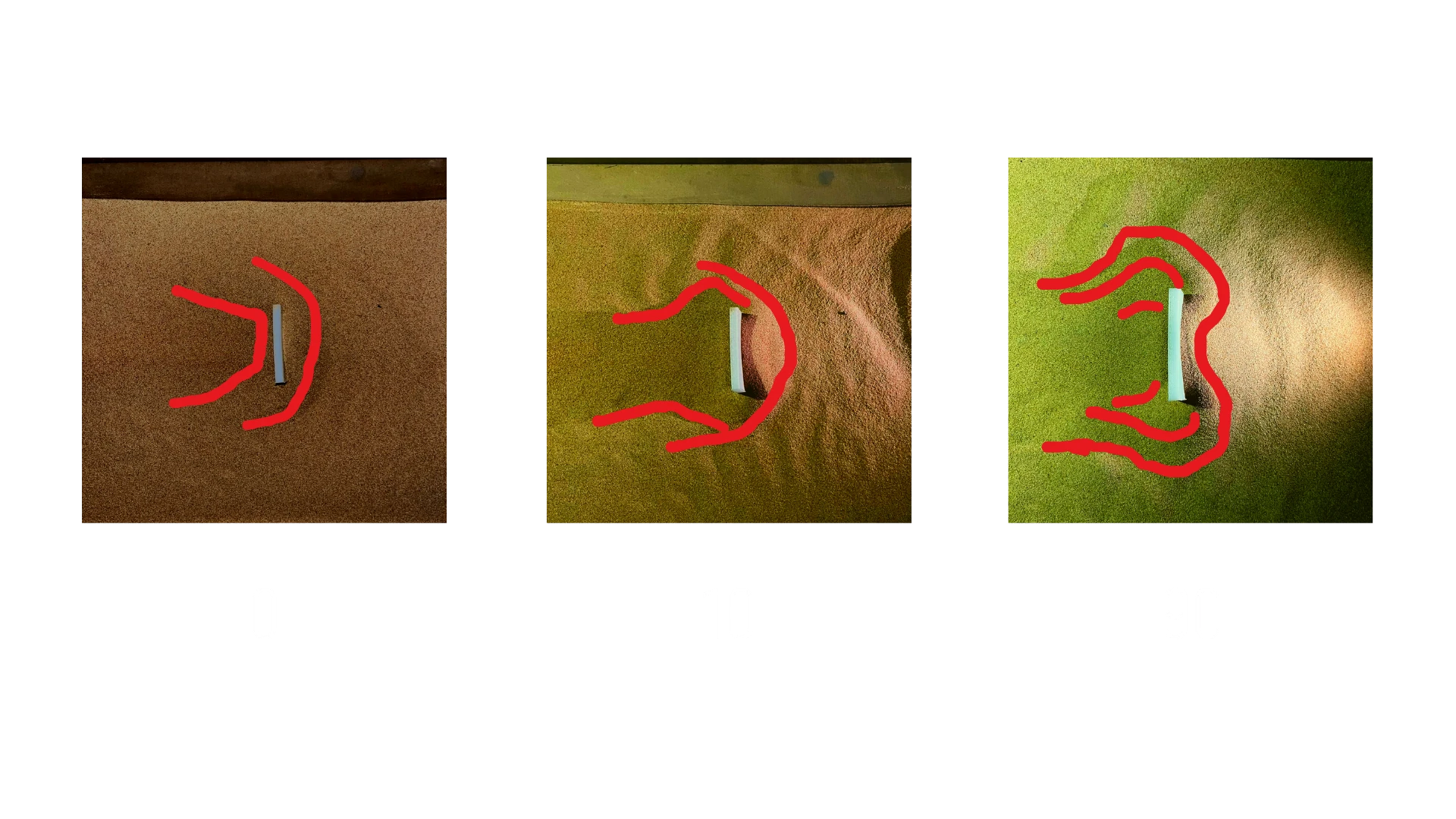
01Where material accumulated
02Where it accelerated
03Where it separated
04Where voids appeared
The object is only one part of the experiment. The important output is the field that forms around it.
From observing one test to exploring a field of possibilities.
Physical testing gave me real behavior. Houdini-based dune and particle simulations allowed me to expand the conditions I could study.
The goal was not to create cinematic sand. It was to create a design tool: if the geometry changes, how does the environment respond?
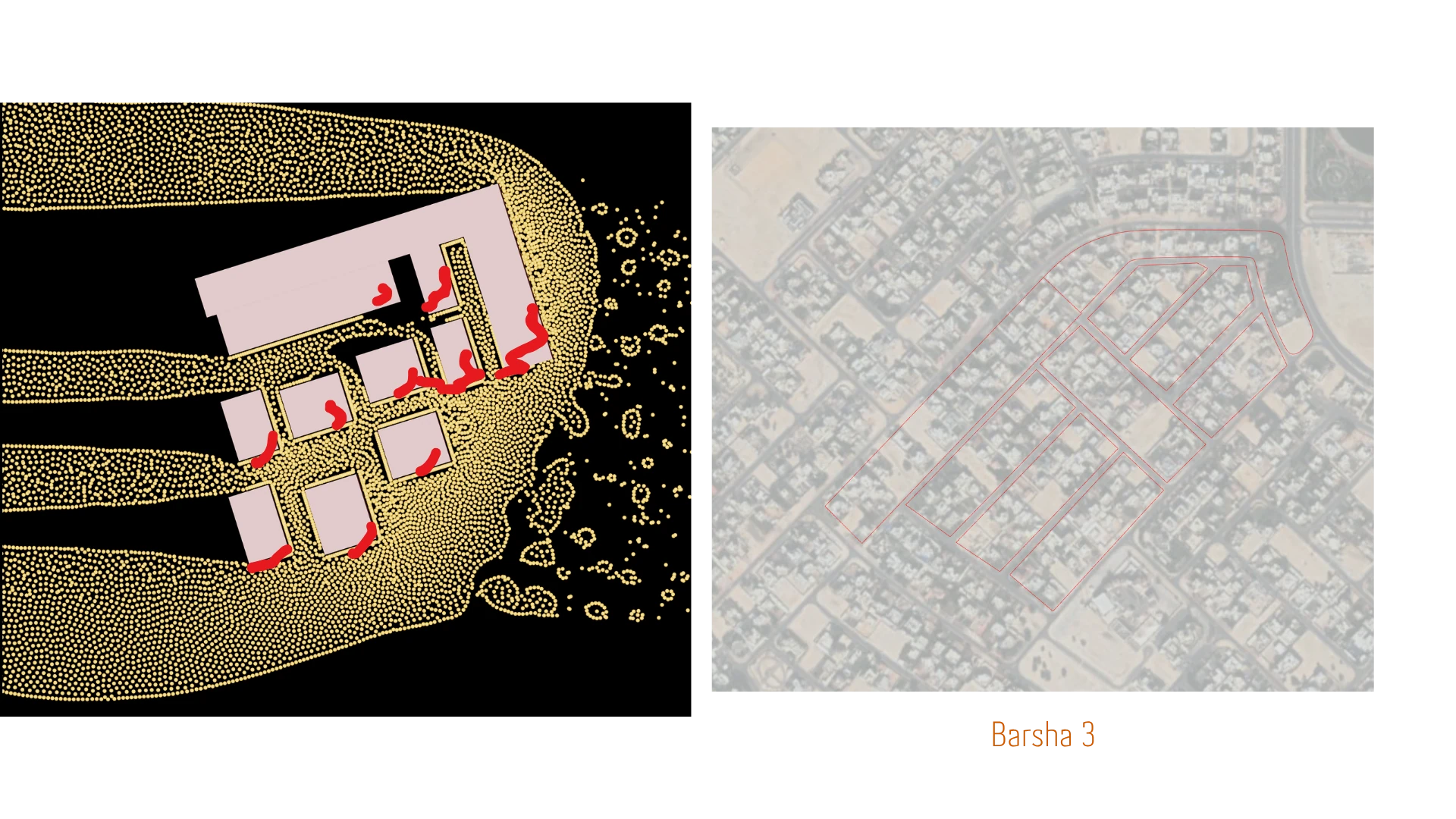
Simulation became a way of designing through consequence.
The form does not end at its surface.
Every object in a moving environment produces effects beyond its physical boundary. Architecture creates environmental behavior around itself.
From object design to relationship design.
At this point, the project changed.
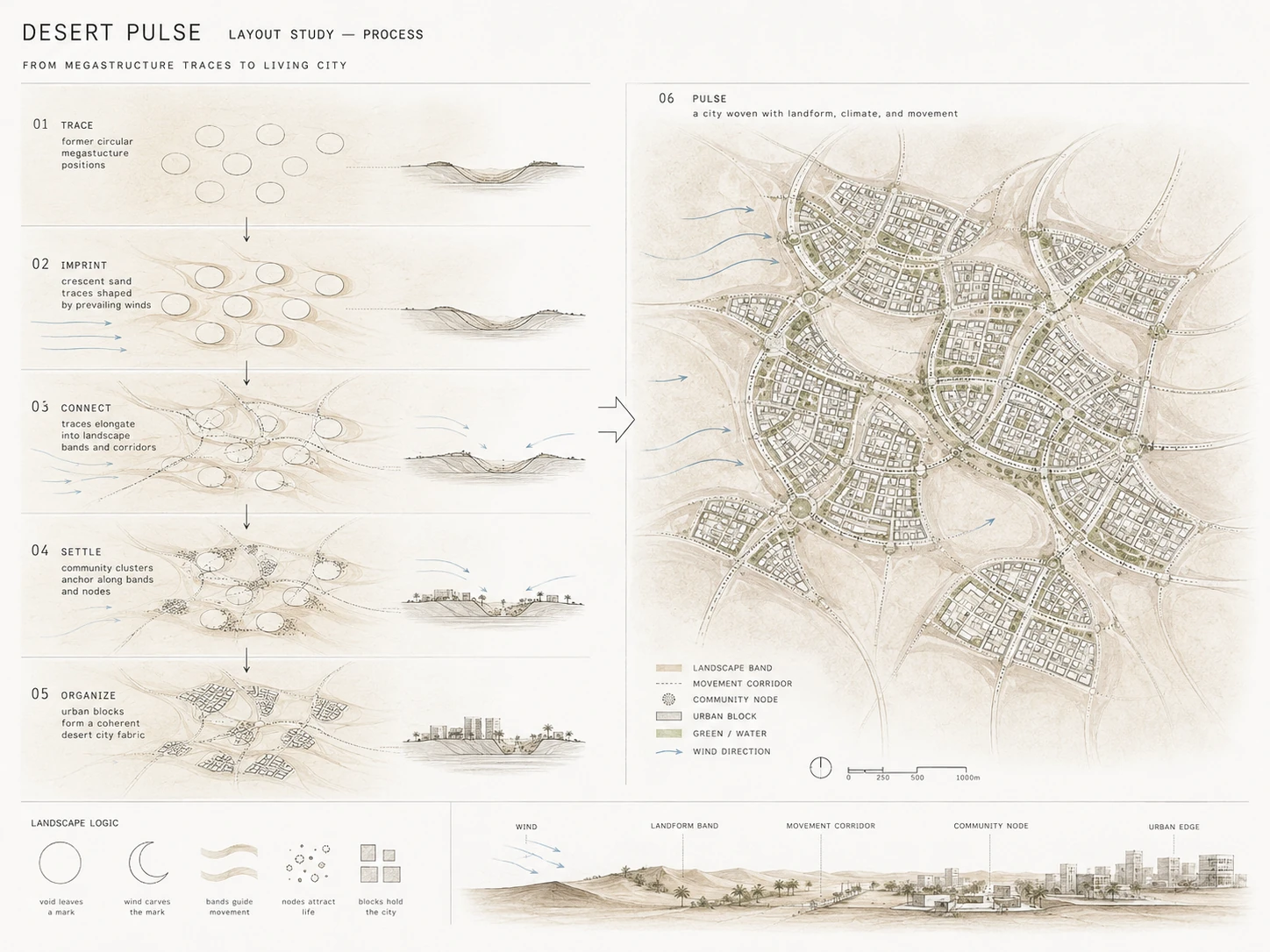
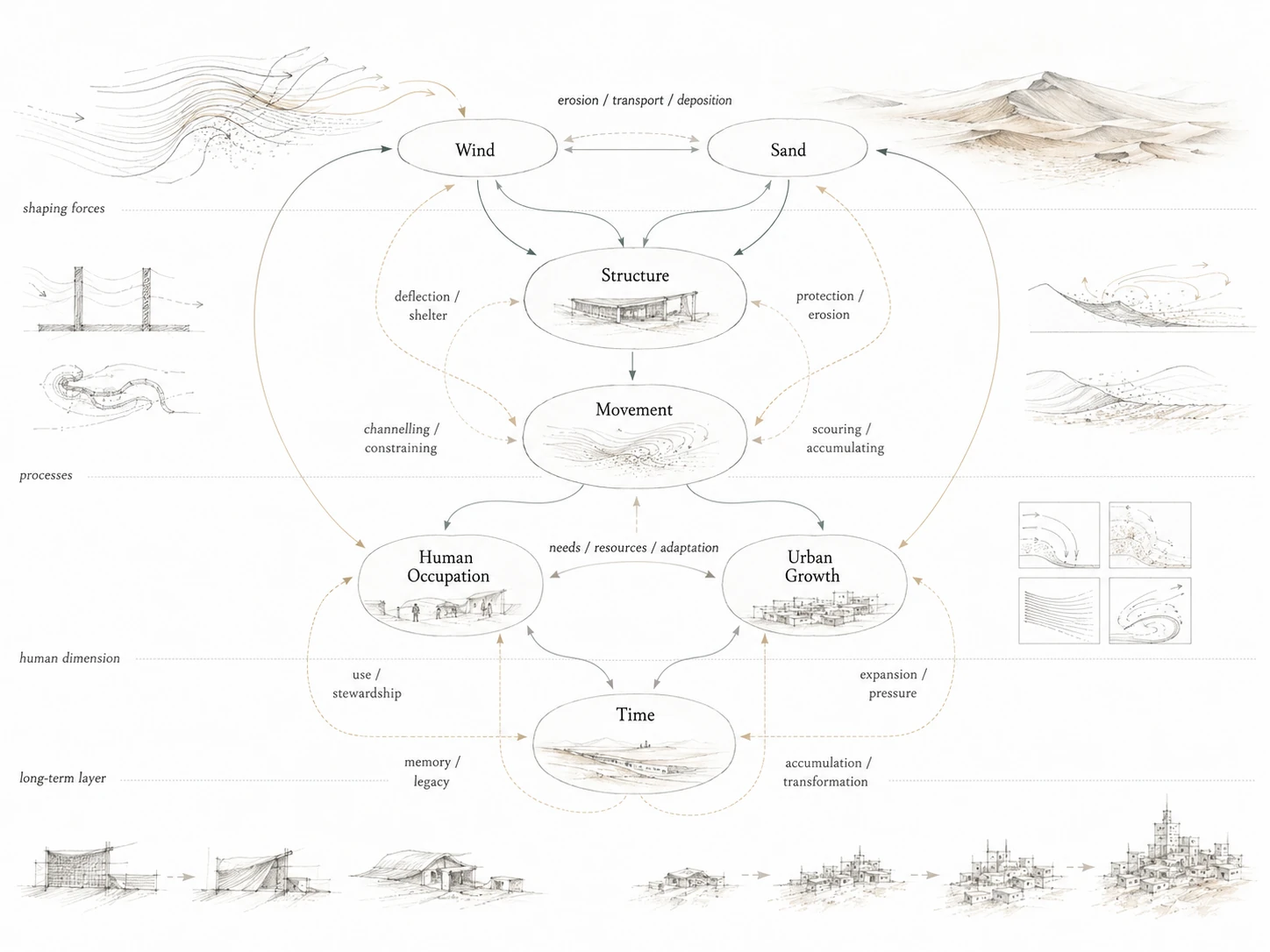
What should the building look like?
What relationship should exist between structure, wind, sand, and future urban growth?
- Human occupation
- Urban expansion
- Wind
- Sand
- Time
- Movement
- Accumulation
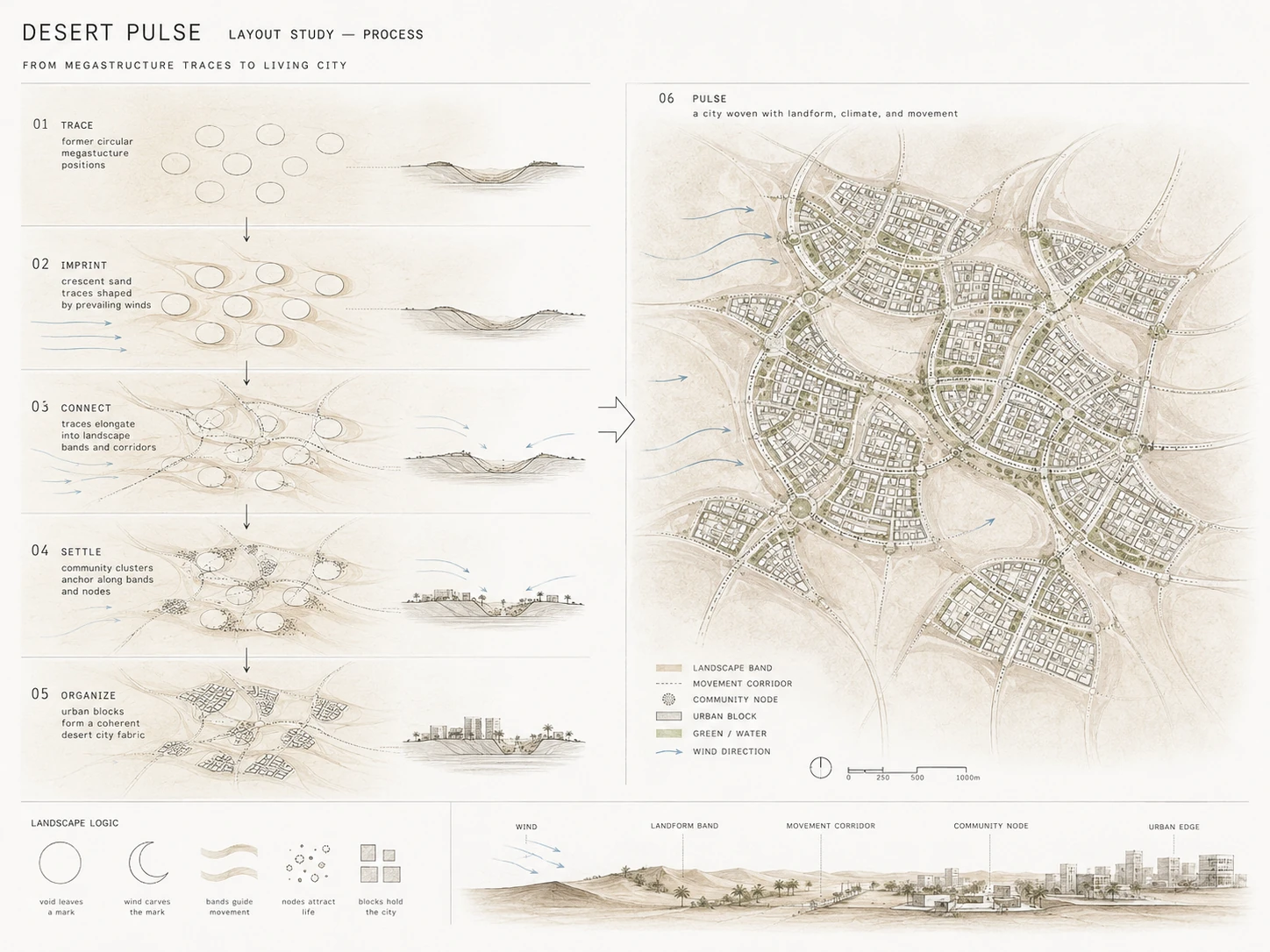
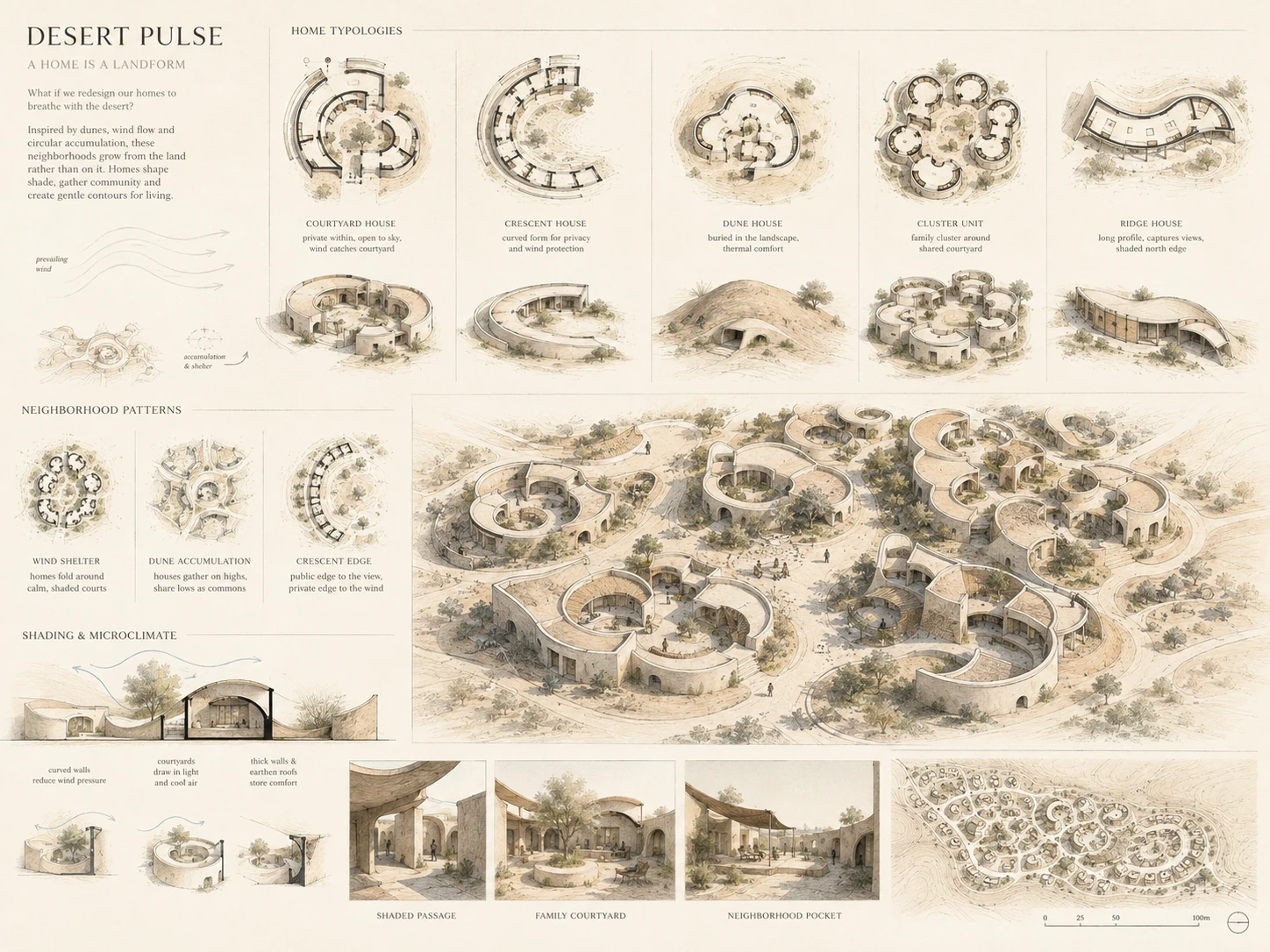
A structure that participates in the landscape.
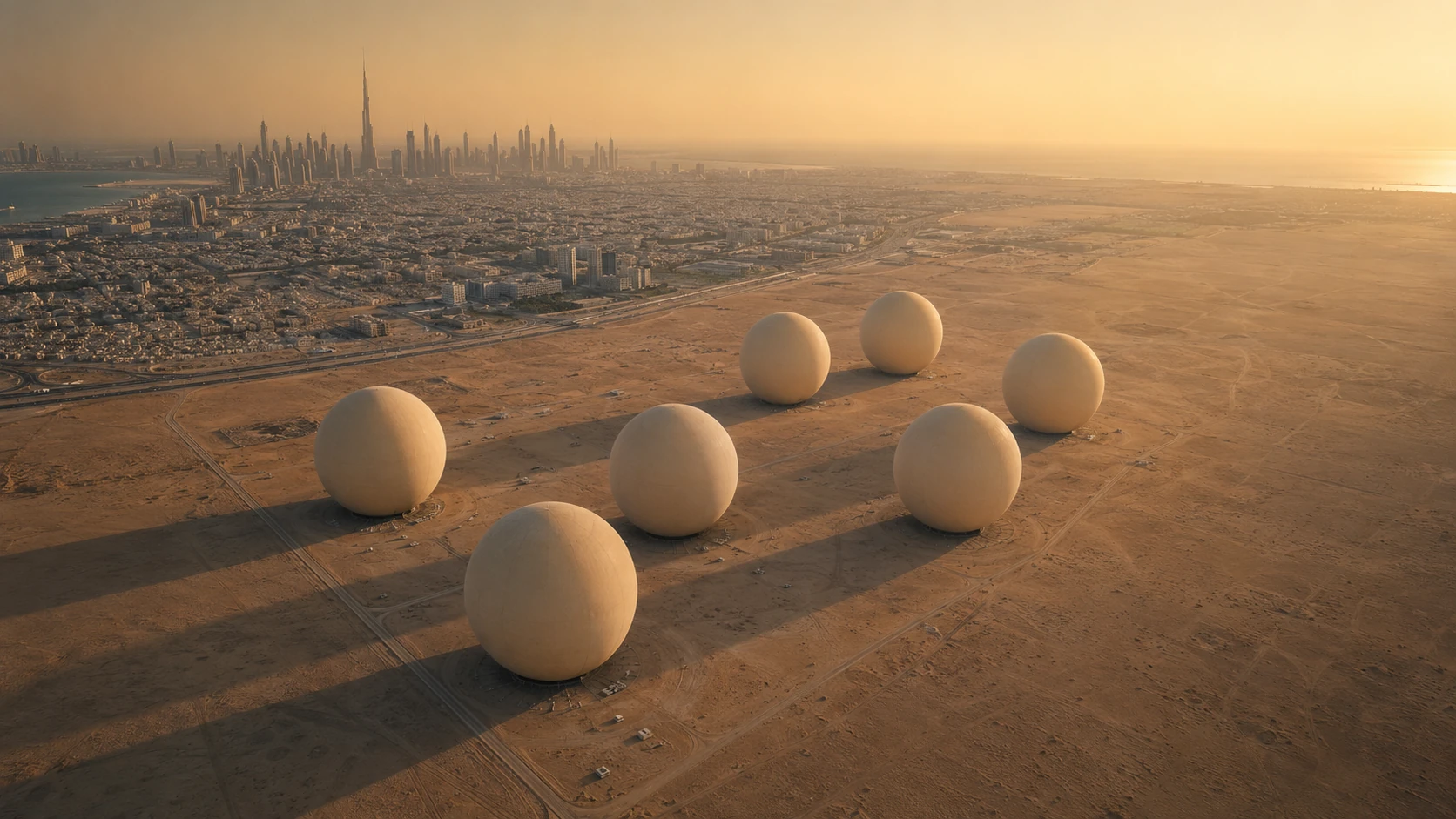
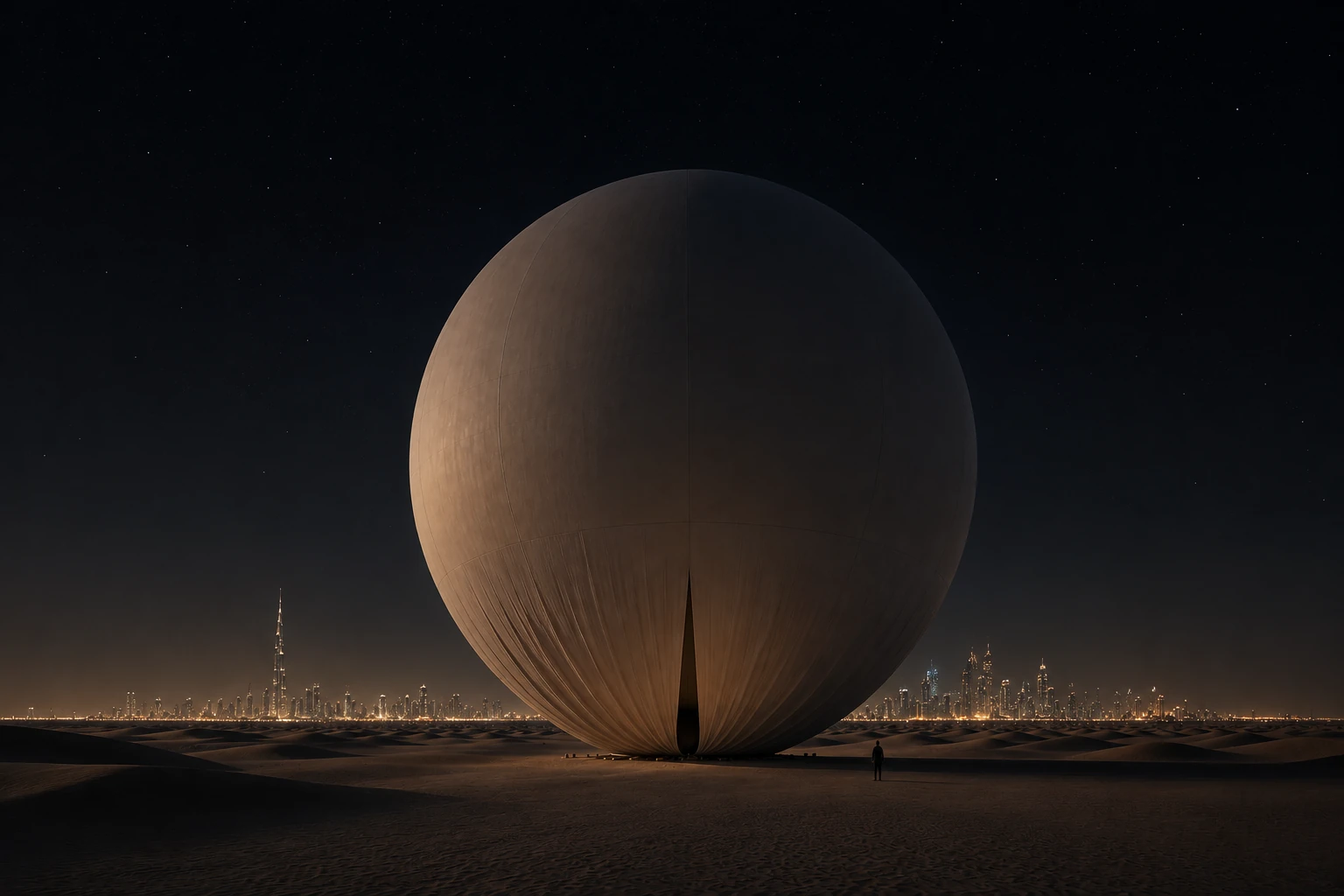
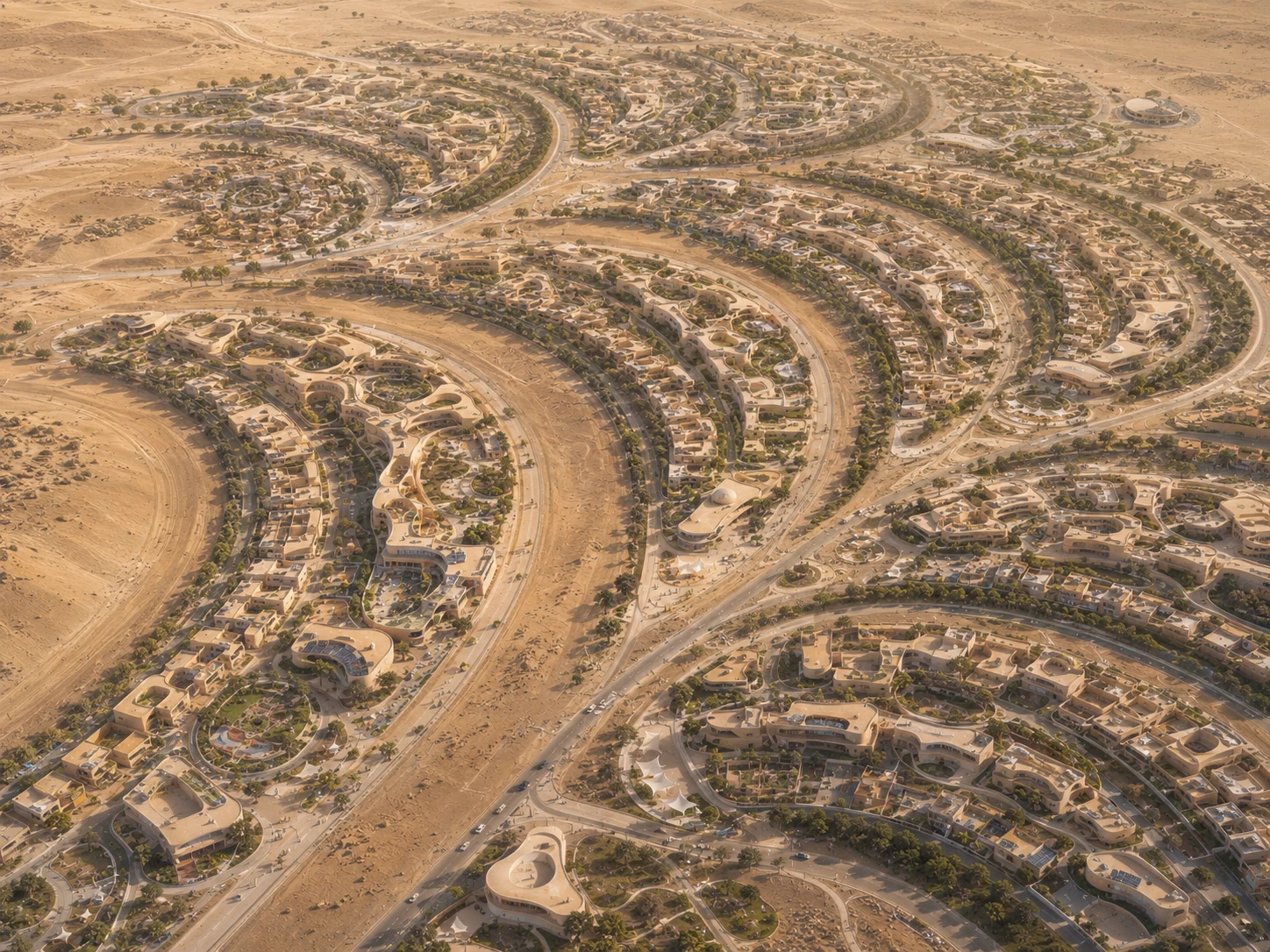
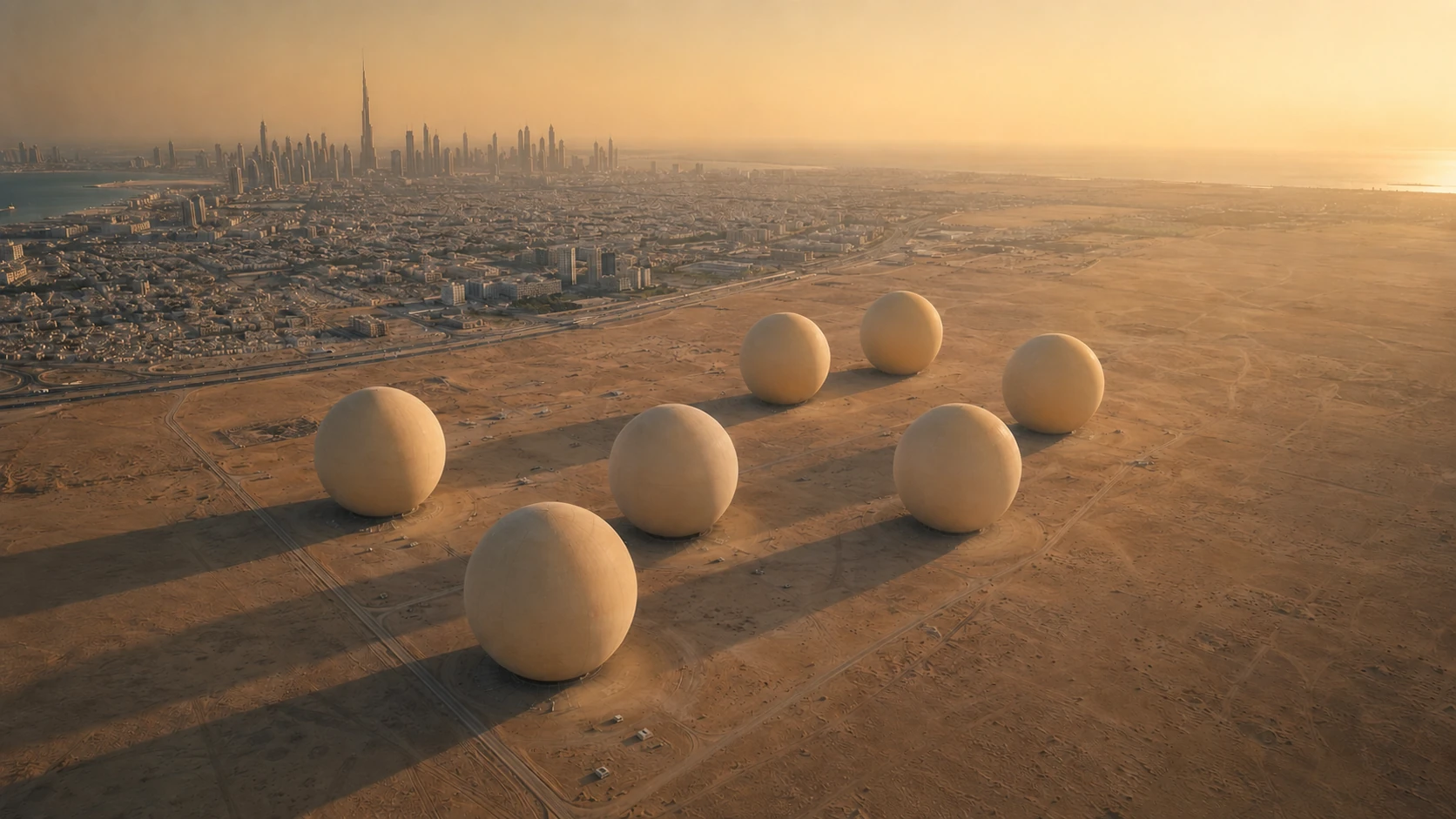
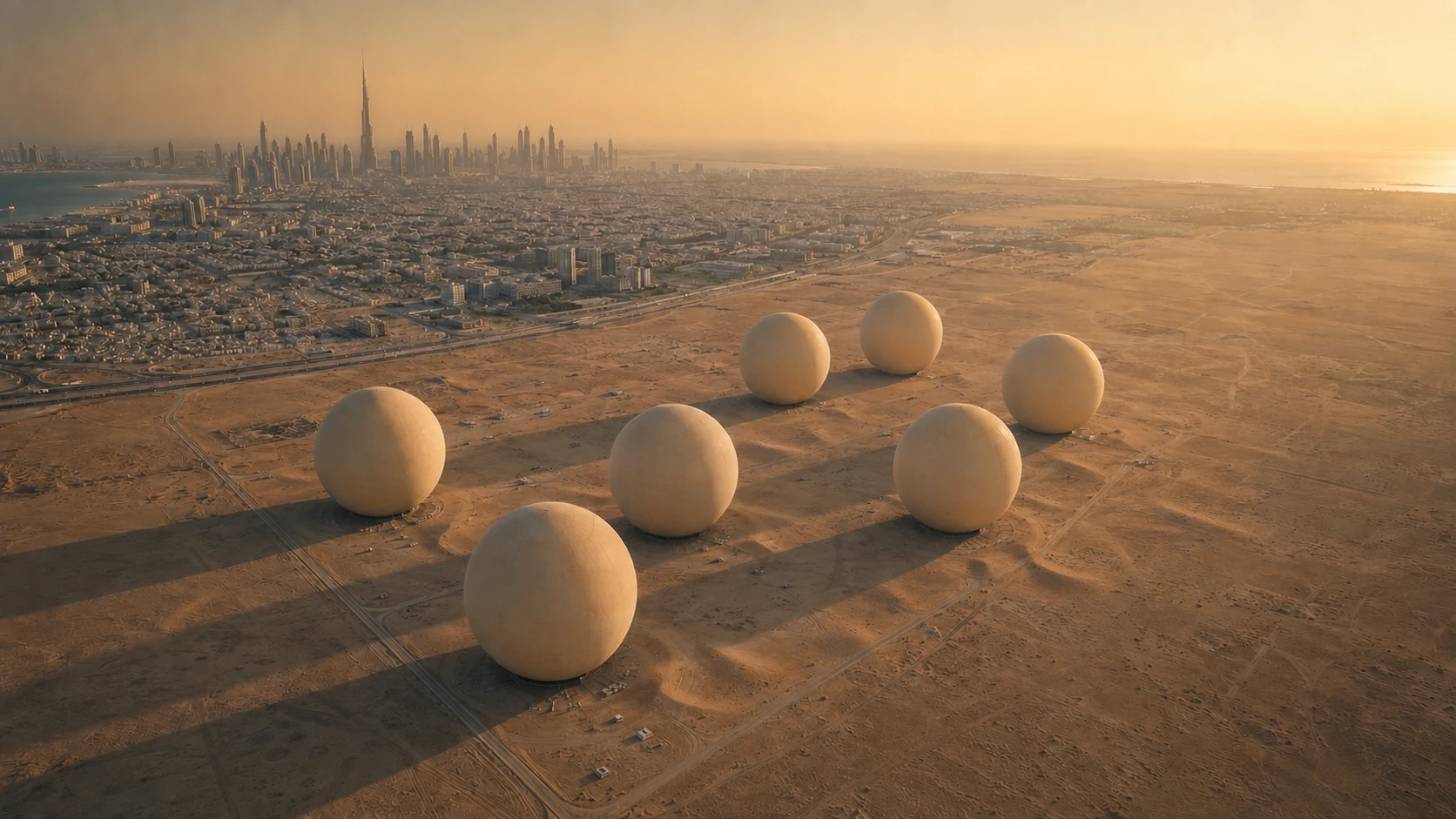
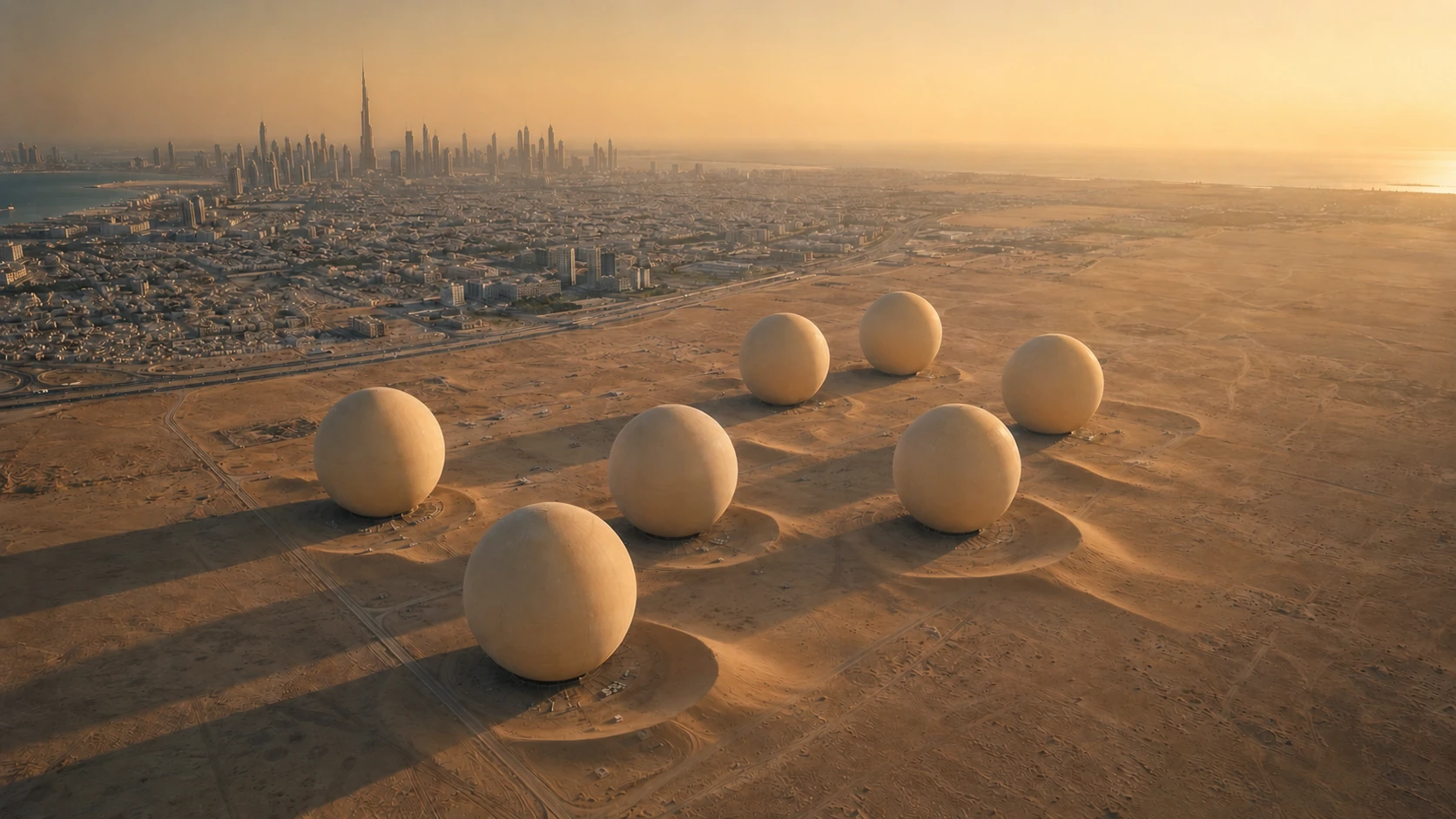
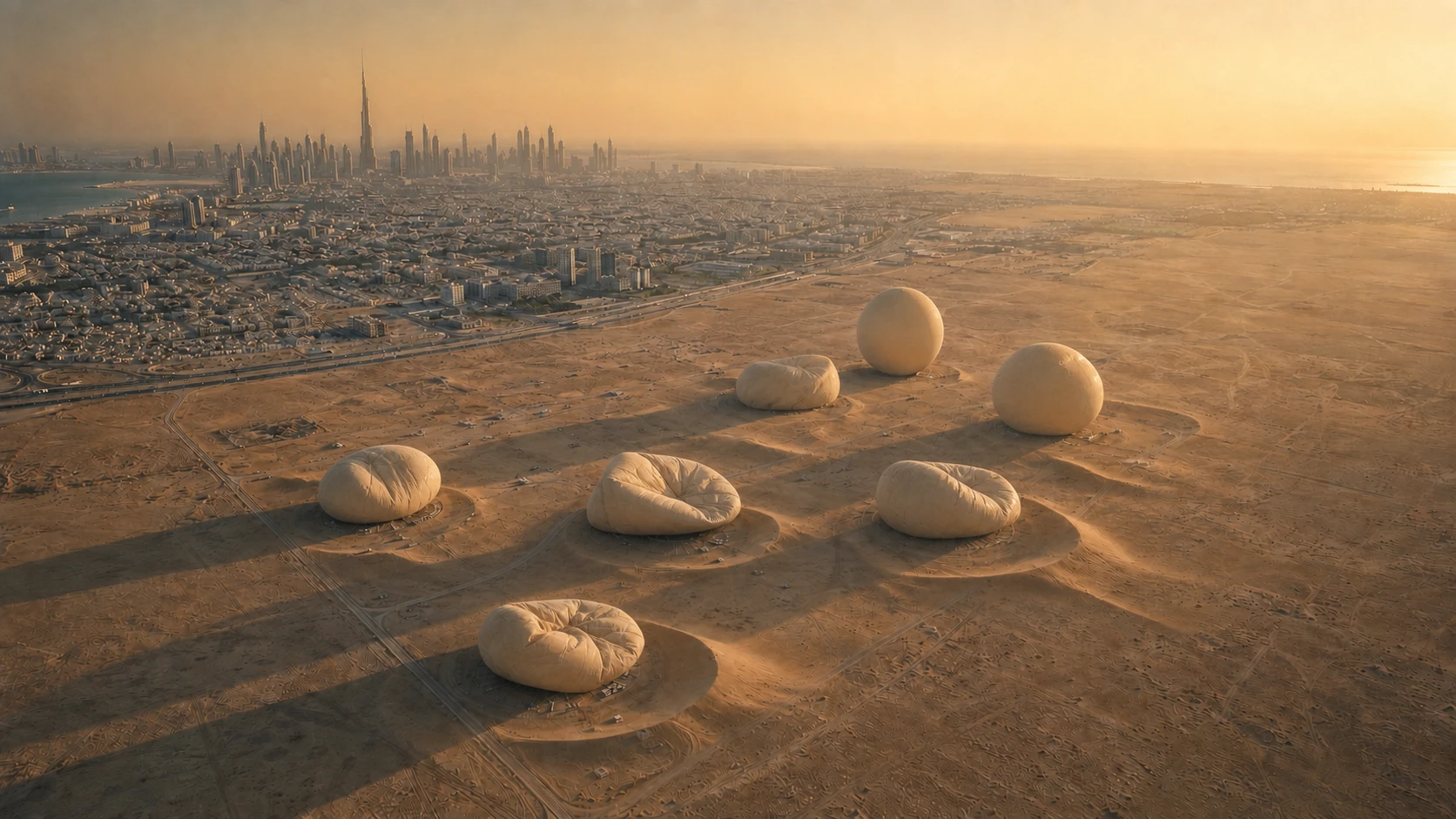
The final direction imagines large-scale structures placed within the desert as active participants in environmental change.
Rather than sealing the city away from the desert, the proposal explores how built form could influence natural forces—and allow those forces to influence future spatial conditions.
It does not present one universal urban solution. It presents a different way of thinking.
Natural forces can be design partners, not only constraints.
Entering a scale that could not exist on a desk.
Virtual reality tested scale, presence, and spatial perception from the human point of view. It asked what this system feels like at full scale—not how it looks from a distance.
From fighting the desert to collaborating with it.
Desert Pulse is not a proposal to control nature. It is an exploration of how design changes when nature is treated as an active system.
The project moved from grains of sand to urban expansion, from physical tests to digital simulations, and from invisible forces to an inhabitable speculative environment.
Its final value is not a single form. It is a method.
13 / MY ROLE
- Research
- Concept Development
- Environmental / System Thinking
- Physical Simulation
- Digital Simulation
- Houdini Exploration
- Spatial Design
- VR Experience Development
- Visualization
- Narrative / Design Communication
14 / REFLECTION
What this project changed in the way I design.
Desert Pulse taught me to delay the object.
The strongest part of the project came from spending time understanding the forces around a problem before deciding what a design should become.
It pushed me to work across research, physical testing, simulation, spatial design, and immersive visualization as parts of one connected process.
But Desert Pulse was never intended to present a single solution to a clearly defined problem.
Its purpose is to raise questions, open discussion, and explore alternative ways of thinking about how we design cities and the spaces within them.
What if nature is not something architecture has to protect itself from?
What if wind, sand, erosion, accumulation, and time are treated as active forces within the design process?
The project became less about proposing a final city and more about exploring what might become possible when the power of natural systems is considered from the beginning.
That way of working still defines how I approach unfamiliar problems: understand the system first, question existing assumptions, and allow the design to emerge from the relationships within it.
Scroll to explore